
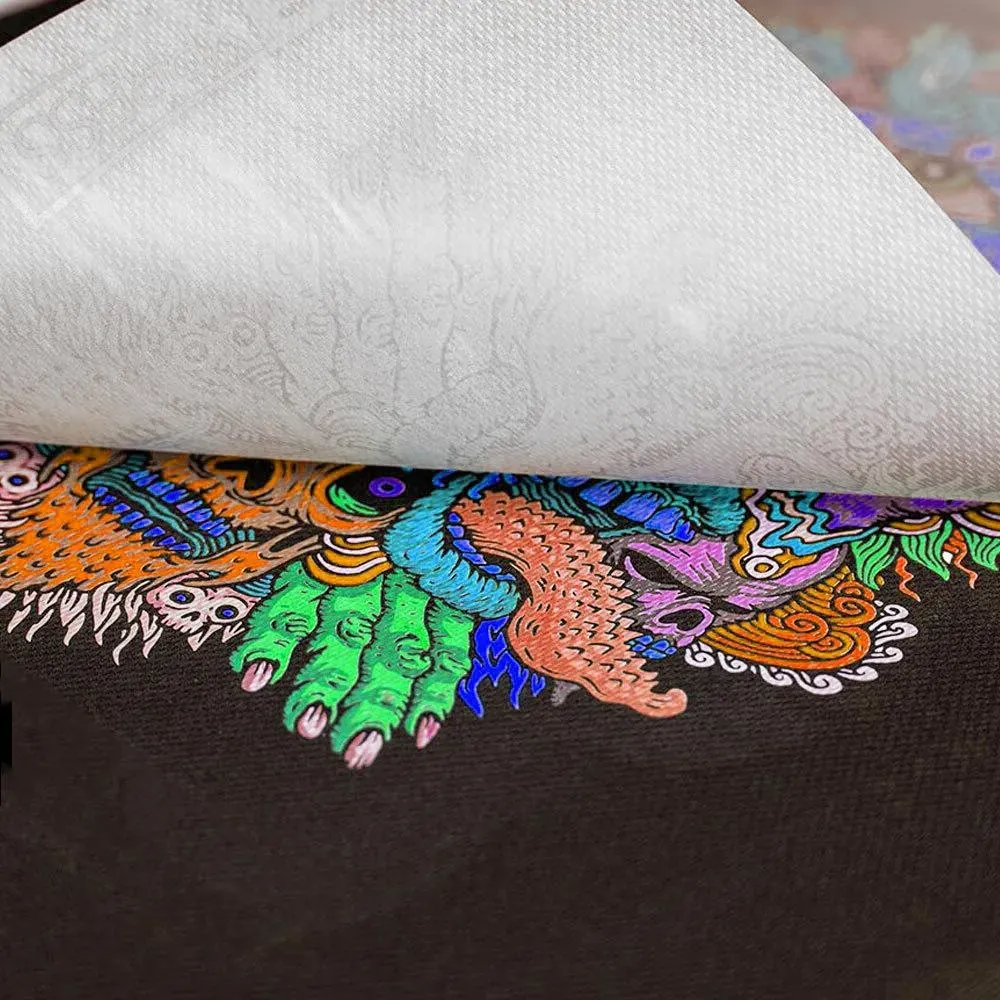
DTF printing on fabrics has transformed how apparel and textile designs come to life. It unlocks bold color and flexibility across fibers. When working with nylon, you’ll optimize curing to protect the bond. Understanding DTF fabric compatibility helps you tailor pre-treatments and cure profiles. This primer sets the stage for better color fidelity, durability, and hand feel across different fabrics.
Beyond the jargon, this technology is a modern form of direct-to-fabric printing and digital transfer for textiles, a versatile approach for graphics on garments. Other industry terms that capture the same idea include print-on-fabric, fabric transfer, and textile graphics application, reflecting an approach that relies on heat, adhesives, and careful material handling. When designers consider Cotton vs polyester DTF, they weigh hand feel, color density, and wash durability across blends and heavy fabrics to plan the right workflow.
DTF printing on fabrics: How it works across cotton, polyester, nylon and blends
DTF printing on fabrics combines a PET release film, heat-activated adhesive, and specially engineered inks to transfer color into the fabric rather than resting on the surface. This process creates vibrant, durable graphics that can be applied to a wide range of materials—from natural cotton to high-performance synthetics like polyester and nylon. The adhesive-bonded ink helps preserve color fidelity and wash durability, making DTF a flexible alternative to screen printing or DTG for intricate designs on blended fabrics.
Because the same basic workflow can be tuned for different fabrics, designers approach material choice with properties in mind. On cotton, inks typically yield vivid color with a soft hand after curing, while on polyester or poly-blends, careful curing and sometimes a white underbase help maintain brightness and edge sharpness. On nylon and other synthetics, DTF ink can stay bright, though heat and adhesive choices must be balanced to avoid shine or edge curling.
DTF printing on cotton: Vibrant color, soft hand and practical care
Cotton is the classic canvas for DTF, thanks to natural fibers that readily absorb ink and deliver bright colors and smooth gradients. When you print on cotton with DTF, you typically enjoy a soft hand once cured and strong color fidelity, making cotton a forgiving base for complex artwork.
Pre-treatment, even micro-thin, often helps edge definition on cotton and reduces any surface sheen on white cotton. Ink behavior on cotton tends to produce saturated reds, blues, and greens with clean transitions, with durability lasting through many washes. Care guidelines include washing inside out in cold water with a mild detergent and tumble drying on low to protect the print.
DTF printing on polyester: Color depth, durability, and adhesion strategies
Printing on polyester yields high color saturation and robust durability when cured correctly. Polyester fabrics are popular for athletic wear, team uniforms, and performance gear, but they resist water-based inks, making post-bonding cure and proper pre-treatment essential to maximize adhesion and color fidelity.
Using a white underbase on light-colored polyester can boost opacity and ensure colors read true, especially for bright yellows, pinks, and blues on darker fabrics. Care and durability improve with proper curing, as polyester prints often show strong resistance to fading and cracking when the bonding process is well-controlled.
Nylon and other synthetics: Navigating adhesion and heat management with DTF ink on nylon
Nylon presents a slick surface and higher heat sensitivity, which can challenge some printing methods. DTF offers a viable route for nylon when executed with care, starting with a gentle surface pre-treatment designed to create micro-roughness without altering hand or drape.
Heat management is critical for nylon; excessive heat can damage the fabric or cause shine on the print. Calibrated heat press settings and shorter dwell times help protect the fabric while achieving strong adhesion and bright, durable results for nylon-based designs.
DTF fabric compatibility: Working with blends and ensuring consistent results
DTF fabric compatibility is one of the strongest selling points of the technology. The same workflow—printing on a PET release film, applying a heat-activated adhesive, and transferring to the fabric—can be adapted for a wide range of textiles. However, achieving consistent results across materials requires attention to fabric weight, weave, and fiber content.
Blends such as cotton/polyester combine the properties of natural and synthetic fibers, so pre-treatment and ink density must be carefully balanced to maintain vibrancy without over-saturating the fabric. Stretchy or tightly woven fabrics require precise curing windows and pressure to keep prints stable during and after transfer.
Cotton vs polyester DTF: A practical comparison for design choices
When comparing cotton and polyester for DTF, several practical contrasts emerge. Cotton generally yields richer color saturation with a softer hand, while polyester can achieve higher color intensity and excellent abrasion resistance with the right underbase and curing strategy.
Pre-treatment needs differ: cotton often benefits from a light pre-treatment, whereas polyester (and nylon) commonly require more to promote adhesion on slick surfaces. For mixed fabrics or projects requiring bold graphics on athletic wear, starting with a polyester base and tailoring pre-treatment and cure can deliver durable outcomes on both materials.
Frequently Asked Questions
What is DTF printing on fabrics and how does it work across materials like cotton and polyester?
DTF printing on fabrics uses a PET release film, heat-activated adhesive, and specialized inks to bond color into the fibers. On cotton you typically get bright colors and a soft hand after curing, while on polyester you can achieve high color saturation with careful curing and adhesion management. Important steps include selecting fabric-appropriate pre-treatment, optimizing cure parameters, and following proper care to maintain wash durability.
How does DTF printing on cotton compare to DTF printing on polyester in terms of color, feel, and durability?
Cotton generally offers softer hand and strong color richness, while polyester can produce more vibrant, high-contrast colors with the right underbase strategy. Durability is strong for both when properly cured, but polyester benefits from tighter control of ink density and heat due to its synthetic surface.
What should you know about DTF ink on nylon when printing on fabrics?
Nylon presents a slick surface and higher heat sensitivity, so use a gentle surface pre-treatment and calibrated heat. Shorter dwell times and cooler or steadier heat help preserve fabric hand and prevent shine, while ensuring adhesion and color fidelity.
DTF fabric compatibility: which fabrics work best for DTF printing on fabrics?
DTF fabric compatibility covers cotton, polyester, nylon, and blends, plus other synthetics. Fabric weight, weave, and stretch influence ink density, transfer duration, and post-transfer behavior. Adjust pre-treatment, curing, and care guidance to maintain consistent prints across materials.
Cotton vs polyester DTF: when should you choose which base for a project?
Cotton vs polyester DTF: For soft, natural-fiber feel and easy color balance, cotton is a solid default. For bold color density, athletic fabrics, and higher wash durability, polyester or poly-blends are often preferred, applying the right underbase and cure parameters to suit the material.
What practical steps ensure reliable results when doing DTF printing on fabrics across different materials?
To get reliable results across fabrics, follow a consistent workflow: choose fabric-specific pre-treatment, print at high resolution, apply a uniform adhesive layer, cure with correct temperature/time/pressure, and finish by cooling slowly. Test on representative samples for each fabric type (cotton, polyester, nylon or blends) to dial in parameters and prevent issues like edge curl or hand stiffening.
| Topic | Fabric Focus | Key Benefit | Practical Tip |
|---|---|---|---|
| What DTF printing on fabrics is | General (All fabrics) | Direct-to-fabric printing using a bonding adhesive on a PET release film enables vibrant, durable graphics across fabrics. | Use appropriate pre-treatment and curing to optimize adhesion and color. |
| Advantages vs other methods | All fabrics / Blends | DTF offers strong color fidelity, durable prints, and compatibility with non-natural fibers and blends, often with more consistent results than some other transfers. | Compare DTF with DTG and screen printing to determine the best fit for your project. |
| Cotton considerations | Cotton | Bright colors, soft hand, and good ink absorption with easy gradients; generally forgiving for alignment. | Light pre-treatment is often recommended to improve edge definition and minimize sheen on white cotton. |
| Polyester considerations | Polyester | High color saturation and strong durability with proper cure and adhesive bonding. | Use synthetic-focused pre-treatments and ensure complete curing; consider white underbase for light fabrics to boost opacity. |
| Nylon and other synthetics | Nylon / Other synthetics | Brighter inks with careful heat management; good for performance gear but requires heat control. | Gentle surface pre-treatment and calibrated heat and dwell times to avoid shine or fabric damage. |
| DTF Fabric Compatibility | Broad range (weights, blends) | Workflow can be adapted across different textiles, but consistency requires material-aware adjustments. | Adjust print resolution, ink density, and cure settings for each fabric type; test on representative samples. |
| Cotton vs Polyester DTF | Cotton vs Polyester | Cotton yields softer hand and sometimes richer color; polyester may offer higher color intensity with the right base. | Tailor pre-treatment, underbase, and cure to suit the chosen fabric; consider testing on both when mixing fabrics. |
| Practical steps across fabrics | All fabrics | Maintain a consistent workflow: matched pre-treatments, high-resolution printing, even adhesive, and proper curing. | Document and follow validated protocols for each fabric type; run validation tests before production. |
| Troubleshooting | All fabrics | Fading, cracking, edge curl, or stiffness with fixes like curing adjustments and adhesive tweaks. | Diagnose issue, adjust cure parameters, ink density, and pre-treatment; always test on a sample first. |
| Care & maintenance | All fabrics | Follow cold wash, gentle cycle, and avoid high heat; do not iron directly on print. | Educate end-users on care to maximize print life and maintain color fidelity. |
| Cost, efficiency & scaling | All fabrics | Cost-effective for small to mid runs; optimize pre-treatment, ink use, and curing for throughput. | Plan workflows to leverage fabric versatility and expand offerings across material types. |
Summary
DTF printing on fabrics opens up a versatile path for designers and manufacturers to create bold, durable graphics on cotton, polyester, nylon, and blends. By aligning pre-treatment, adhesive application, and curing with the specific fabric, you can optimize color fidelity, hand feel, and wash durability. This approach supports everything from classic cotton tees to high-performance polyester gear and nylon accessories, enabling rapid adaptation to new materials and broader product lines while maintaining print quality and long-term durability.