
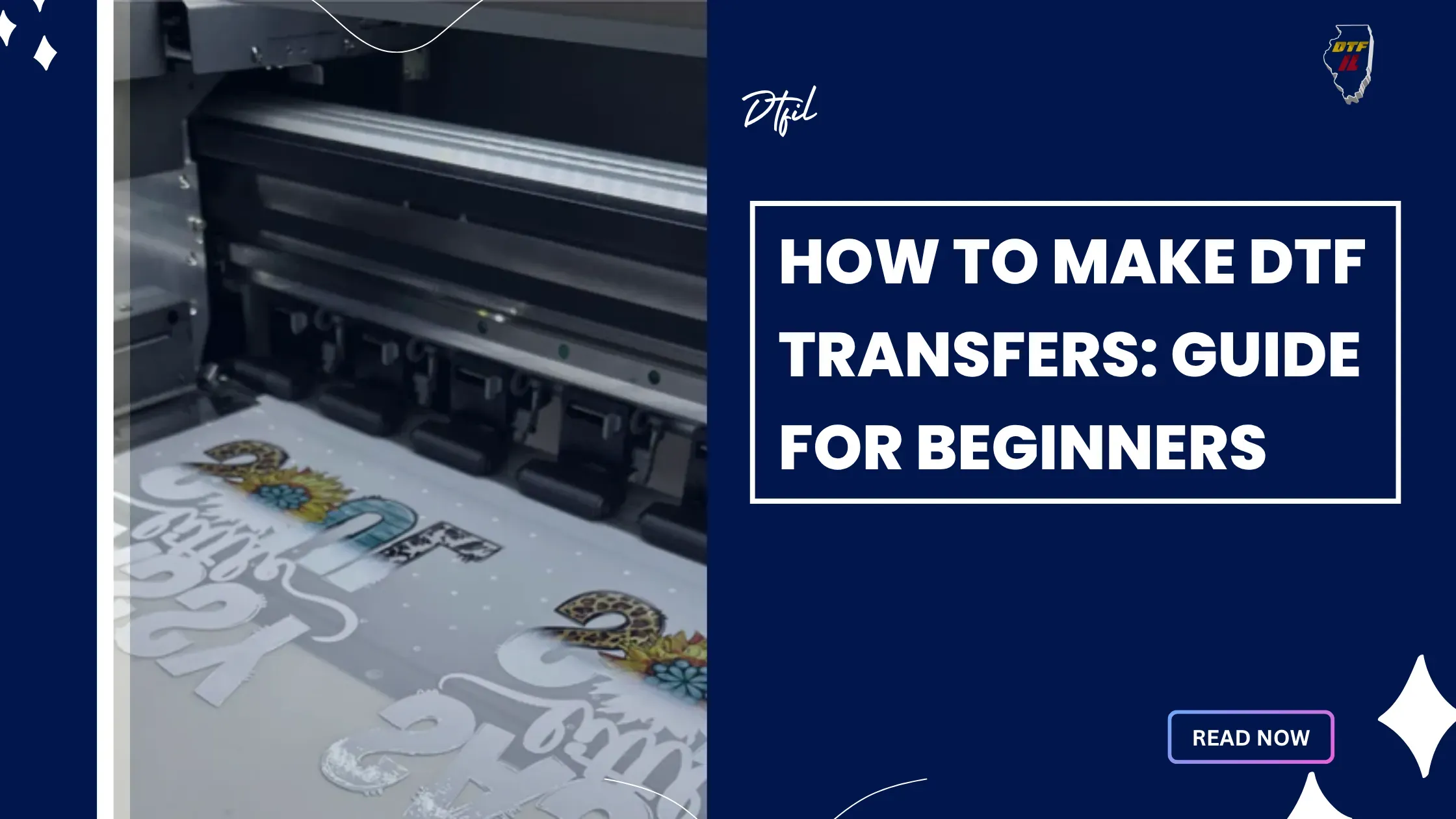
DTF for beginners is a practical entry point into the world of modern garment printing. Direct-to-film, or DTF, is a versatile printing method that lets you place artwork onto fabrics through a clear DTF workflow and a reliable direct-to-film transfer process. For beginners, the idea of printing, applying an adhesive powder, and performing a heat press transfer can seem daunting, but a clear, repeatable process makes it approachable. This guidance emphasizes color management, careful material handling, and a lean transfer sequence to keep projects sharp and durable. As your skills grow, you can explore print-on-demand opportunities and expand your palette while preserving the fundamentals.
From another angle, this beginner's overview discusses the film-to-fabric transfer method and textile printing on heat-activated film, common in modern garment decoration. The process begins with printing onto a PET sheet, followed by powder embedding and heat activation to bond the image to fabric. The emphasis is on building a repeatable workflow, color accuracy, and dependable finishes suitable for small shops or home studios. If you’re considering on-demand apparel, understanding these terms and how they relate to production pipelines helps you plan equipment, budgets, and timelines.
DTF for beginners: Getting Started with Direct-to-Film Transfers
DTF for beginners marks a practical entry point into modern garment printing. Direct-to-film transfer, or DTF, is a flexible method that lets you place intricate artwork onto fabrics with a relatively simple workflow. For newcomers, starting with a clear plan, a basic heat press, and a small set of colors helps you build confidence and minimize waste.
Key components of the DTF workflow include a printer configured for DTF inks, PET film with adhesive powder, and careful color management. Understanding the sequence from artwork to film to heat press transfer helps you predict color accuracy, texture, and wash durability, which is essential for successful print-on-demand projects and reliable DTF printing outcomes.
Understanding the DTF printing process within a seamless DTF workflow
DTF printing involves a two-stage process: printing the design onto PET film using water-based inks, then applying adhesive powder and heat pressing the film onto fabric. This direct-to-film transfer yields vibrant color, soft hand feel, and durable wash performance when performed with a steady DTF workflow.
Color management and substrate choice influence the final look; testing with a spare garment and color-matched references helps align on-screen expectations with the print. By focusing on the core steps of the DTF printing process, you can minimize surprises in your first heat press transfer and build a solid foundation for ongoing projects.
Essential Equipment and Materials for Heat Press Transfer in DTF
Begin with a printer suitable for DTF inks, PET film with adhesive powder, and a reliable heat press for heat press transfer. Each component supports the core DTF printing method and keeps your workflow consistent across projects.
In addition to the film and powder, stock protective sheets, lint-free cleaning tools, and proper curing accessories help you maintain a clean, repeatable DTF workflow. Selecting compatible materials reduces failures and improves results in a print-on-demand setup and other production runs.
Color Management and Artwork Prep for DTF printing
Artwork prep is critical; start with a high-resolution file, tidy color layers, and plan color separations to translate well on fabric. Calibrating your monitor and printer for CMYK output helps ensure the final direct-to-film transfer matches expectations.
Test prints on plain transfer paper or sacrificial garments allow you to adjust color values before committing to PET film. When you align your artwork with the garment color, you improve predictability in the DTF workflow and reduce waste, setting the stage for successful prints in any setting.
Troubleshooting and Quality Control in DTF printing
Ghosting, halos, and misregistration are common early challenges in DTF printing. Check color management settings, film alignment, and powder application to improve the direct-to-film transfer result and reduce misprints.
Establish a simple QA routine: inspect cured powder, verify heat press temperature and dwell time, and test peel direction. A disciplined DTF workflow helps you achieve consistent results and longer-lasting transfers across multiple garments.
Scaling DTF Printing for Print-on-Demand and Business Growth
As you gain confidence, you can expand into a small shop or home-based operation using DTF printing. A reliable printer, extra PET film stock, and a sturdy heat press enable more orders and a smoother print-on-demand pipeline.
Develop a scalable DTF workflow that handles color management for multiple designs, batch prep, and efficient post-transfer care. With planning and consistency, you can deliver crisp, durable transfers at production speeds that meet customer expectations and support business growth.
Frequently Asked Questions
What is DTF printing for beginners and what equipment do I need to start?
DTF printing for beginners involves printing your design onto PET film with water-based inks, applying adhesive powder, and heat pressing the film onto fabric. Essential gear includes a printer compatible with DTF inks, PET film with powder, a heat press, and basic transfer supplies. Start with simple designs on cotton or blends to learn color reproduction and adhesion before moving to more complex artwork.
How does the DTF workflow work from artwork to final transfer on fabric?
The DTF workflow for beginners follows these steps: artwork preparation and color management, printing onto PET film, powder application and curing, pre-pressing the garment, aligning the film, heat pressing, peeling, and post-transfer care. Consistently following this sequence helps achieve sharp color, strong adhesion, and durable transfers.
Which fabrics are best for DTF for beginners, and are there any fabric limitations I should know?
DTF for beginners typically yields the best results on cotton and cotton blends, which respond well to the adhesive powder and heat press. Some synthetics can work with adjustments in heat and post-transfer care. Always test on plain fabric to dial in temperature, pressure, and timing for reliable results.
What heat press transfer settings should I use for DTF transfers in a beginner setup?
For a beginner, use about 160–170 C (320–338 F) with medium to firm pressure for 15–25 seconds, then follow your film’s peel direction (hot or cold) per guidelines. Always refer to your transfer materials and test on scraps to fine-tune temperature, pressure, and dwell time.
What are common troubleshooting tips in DTF for beginners to fix issues like ghosting and misregistration?
Common issues include ghosting from color management or uneven ink transfer, edge halos from inconsistent pressure, and misregistration from fabric movement. Solve these by checking color profiles, ensuring even adhesive powder application, maintaining steady heat and pressure, and securing the garment with tape or a second alignment pass during transfer.
How does DTF compare to other transfer methods for print-on-demand, and is it suitable for a beginner?
DTF offers vibrant color, a soft hand feel, and strong wash durability, making it a strong option for print-on-demand. It’s versatile across fabrics and simpler in some workflows than other methods, but the best choice depends on project goals, fabric, and budget. For a beginner, DTF printing provides a flexible path to growing a POD setup.
| Topic | |
|---|---|
| What DTF is and why it matters | Direct-to-film transfer is a two-stage process that prints a design onto PET film with water-based inks, then applies an adhesive powder and heat-presses the film onto fabric. The result is a vibrant transfer with a soft hand feel and good wash durability. DTF for beginners is relatively forgiving and works on a wide range of fabrics (including blends and cotton). Key considerations include color accuracy, texture, and longevity, all managed through a clear workflow. |