
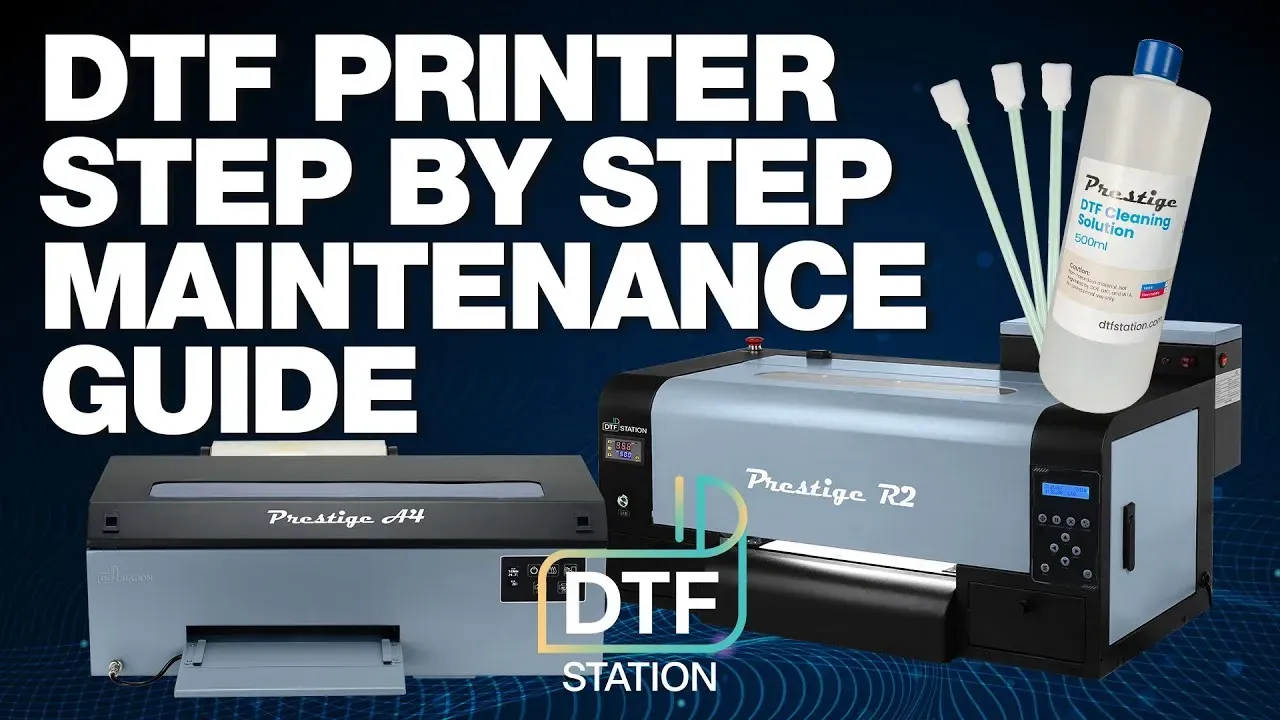
DTF maintenance is essential for keeping direct-to-film printing crisp, reliable, and cost-efficient, because a clean, well-tuned system minimizes waste and rework. A practical approach combines DTF cleaning tips with careful DTF printer alignment to preserve color accuracy and minimize downtime, while routine checks help catch wear early. Prioritize DTF ink system care and follow a clear upkeep routine that you can apply daily or weekly, including solvent-free wiping, nozzle checks, and protective covers. Incorporating these steps supports DTF longevity tips, helping protect your investment and maintain consistent output across varying volumes, fabrics, and media batches. With a simple, repeatable routine, your prints stay sharp and production stays predictable, batch after batch, even as your business grows.
Viewed from another angle, the topic becomes direct-to-film workflow upkeep and film-transfer equipment care. This framing emphasizes the practical routines—clean surfaces, precise alignment, and routine part checks—that sustain print quality and consistent throughput. Consider terms such as print-head hygiene, roller wear prevention, and environmental controls as part of a holistic care program. By adopting lexicon like direct-to-film workflow upkeep, print-head protection, and calibration-based strategies, you tap into common search patterns used by readers seeking reliability, cost efficiency, and long-term performance.
DTF Cleaning Best Practices for Reliable Print Quality
Maintaining clean film paths and print head housings is the foundation of stable DTF output. By adopting a routine that matches your production volume, you can limit dust, adhesive powder, and pigment residue that degrade color fidelity. Incorporate these DTF cleaning tips into daily practice: wipe exposed surfaces with a lint-free cloth, keep isopropyl alcohol (IPA) nearby, and avoid spraying liquids directly onto electronics. Regular removal of residue reduces nozzle clog risk and helps preserve feed accuracy, so you can trust prints batch after batch.
Beyond daily wipe-downs, schedule a deeper weekly or biweekly cleaning that targets the film path, rollers, and take-up system. Rotate rollers by hand to dislodge trapped powder, inspect edge guides for glazing, and verify the film bed remains square. When you finish, let surfaces dry completely and run a quick color-bar test to confirm even density and clean color separation. Documenting these DTF cleaning steps creates a repeatable baseline that minimizes unplanned downtime.
DTF Printer Alignment for Consistent Registration
DTF printer alignment is essential to maintain sharp registration across layers. Misalignment can show as vertical or horizontal shifts, color misregistration, or skewed prints that waste fabrics and ink. Regular checks help you catch issues before production is impacted, preserving throughput.
Practical steps include verifying platen and film path reference points, running a standard alignment test, and recalibrating color profiles after mechanical adjustments. If applicable, adjust belt tension or roller pressure to restore even travel. Inspect feed and take-up systems for wear or glazing, and replace components according to the manufacturer’s maintenance schedule. Keeping a simple visual reference chart helps operators reproduce correct edge placement for common garment sizes.
DTF Maintenance Checklist: Practical, Actionable Steps
A well-structured DTF maintenance checklist keeps teams aligned and actions traceable. The DTF maintenance checklist translates high-level best practices into daily, weekly, and monthly tasks so nothing falls through the cracks.
Use the checklist as a living document tied to production level and material changes. Track wear parts, schedule preventive replacements, and ensure references and tools are ready before each batch. The explicit inclusion of tasks like cleaning, alignment checks, and part inspection makes DTF maintenance an operational habit rather than a reactive fix, ensuring reliability and faster changeovers.
DTF Ink System Care for Consistent Color and Longevity
DTF ink system care starts with clean, stable ink lines and clean cartridges. Inspect the ink supply path for air bubbles, clogs, or contamination. Use manufacturer-approved cleaning procedures to purge lines and flush the system if needed. Maintaining clean nozzles and consistent ink flow is essential to color accuracy and repeatability.
Regular checks on the ink system help prevent color shifts, gloss differences, and dot gain. Store inks per guidelines, avoid exposure to heat, and document ink lot numbers. Implement routine maintenance that includes filtering, purging, and careful replacement scheduling to support stable color output and reduce print defects.
DTF Longevity Tips: Extending the Life of Your System
DTF longevity tips begin with choosing reliable consumables and controlling environmental factors. The film, adhesive powder, and ink must work in harmony to minimize buildup and wear. By selecting quality materials and maintaining a clean work area, you reduce residue that can accelerate wear on rollers, belts, and the heater bed.
Keep temperature and humidity within manufacturer recommendations, schedule preventive maintenance, and stay ahead of wear by replacing belts, dampers, seals, and heater components before they fail. Lower variability reduces head wear and extends machine life. These DTF longevity tips help you protect your investment and maintain consistent output across upgrades and batches.
Preventive Maintenance and Troubleshooting for Production Confidence
When symptoms appear, a structured approach turns downtime into manageable events. Start with a quick visual check of the film path for dust, verify alignment, and inspect roller surfaces for glazing. Use these DTF cleaning tips as a first line of defense to reduce debris that can cause banding or misregistration.
Document issues, record steps taken, and use data to adjust the maintenance schedule. Maintain a log of color shifts, jams, or misfeeds to detect patterns and trigger proactive replacements. A disciplined routine—supported by a modern DTF maintenance checklist—helps you keep production running and elevates overall reliability.
Frequently Asked Questions
What are essential DTF cleaning tips to include in your DTF maintenance routine?
DTF cleaning tips are foundational to consistent output. In a DTF maintenance routine, start with a daily wipe of the film path, pinch rollers, and printer exterior using a lint-free microfiber cloth dampened with IPA or a manufacturer-approved cleaner. Perform a deeper weekly clean of the print head housing, guards, and rollers, rotating rollers by hand to remove residue. Never spray liquids directly on electronics; power down and unplug, and let surfaces dry completely before restarting. Regular cleaning reduces nozzle clogs, color drift, and misregistration, keeping print quality stable batch after batch.
What are essential steps in DTF printer alignment for reliable color and registration?
DTF printer alignment starts with verifying the platen and film path reference points are square and unwarped. Run a standard color-bar or alignment test and compare to the reference; calibrate the printer’s alignment settings and, if applicable, adjust belt tension or roller pressure to restore even travel. Inspect feed and take-up systems; worn or glazed rollers can cause skew, so replace parts per the manufacturer’s maintenance schedule. After mechanical adjustments, recalibrate color profiles to maintain color fidelity.
How does a DTF maintenance checklist keep a small shop productive?
A DTF maintenance checklist provides a clear, repeatable routine that simplifies daily tasks and reduces downtime. By outlining daily, weekly, and monthly actions—such as cleaning, alignment checks, and calibration—you ensure consistency across shifts and batches. It helps you track wear, plan parts replacements, and train new operators, making maintenance safer and more efficient.
What is involved in DTF ink system care to extend printhead life?
DTF ink system care focuses on keeping ink lines clean and free of air bubbles, flushing or priming as recommended, and proper ink storage away from heat and sunlight. Rotate cartridges to prevent settling, monitor ink levels to avoid dry-out, and ensure the ink system is leak-free. Following manufacturer guidelines for maintenance keeps color accuracy and printhead longevity.
What are the longevity tips for maintaining DTF equipment over time?
DTF longevity tips include using quality consumables matched to your printer, maintaining a climate-controlled work area, and scheduling preventive maintenance to replace worn parts before failure. Keep the powder system clean and dry, maintain consistent feed tension, and protect electronics from spills and abrasion. Tracking these practices helps sustain throughput and reduce total cost of ownership.
How does following a DTF maintenance checklist prevent misregistration and issues, and what is the role of DTF printer alignment in this?
Following a DTF maintenance checklist ensures regular cleaning, timely alignment checks, and proactive wear-part inspection, which lowers the risk of misregistration and color issues. Regularly performing DTF printer alignment keeps edge guides square and registration marks aligned, reducing reprints. Document issues and adjustments to spot trends and keep production consistent.
| Aspect | Key Points |
|---|---|
| DTF maintenance matters |
|
| DTF cleaning: Safe and effective |
|
| Alignment and calibration |
|
| Longevity tips |
|
| DTF maintenance checklist |
|
| Troubleshooting common issues |
|
| Best practices |
|
Summary
DTF maintenance is a strategic practice that goes beyond occasional cleaning. By establishing a consistent routine, you protect print quality, improve color fidelity, and extend the lifespan of your DTF equipment. Keeping the film path clean, alignment precise, and components in good working order minimizes downtime and stabilizes production across batches. Adopt a practical maintenance checklist tailored to your volume, and train your team to treat maintenance as an integral part of the production process. With steady habits, your DTF workflow stays clean, aligned, and efficient, delivering consistently excellent results for every project.