
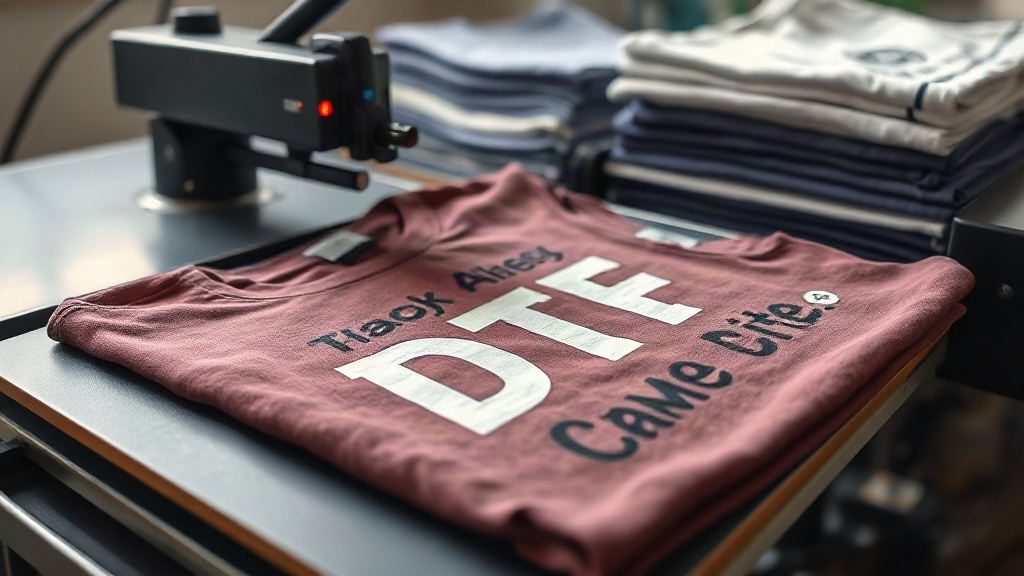
When you first dive into the world of custom apparel, the choices can feel overwhelming. You've got your design ready, but then come the questions: which printing method? Which blank garment? If you want vibrant colors, fine details, and a process that works on almost any fabric, DTF transfers are a game-changer. And when it comes to the blank canvas, two names stand out for quality and consistency: Shaka Wear and Smart Blanks. In this guide, I'll share what I've learned from countless projects, so you can skip the trial and error and get straight to producing prints that impress.
Why DTF Transfers Are Revolutionizing Custom Apparel
DTF (Direct to Film) transfers have exploded in popularity, and for good reason. Unlike traditional screen printing, DTF doesn't require separate screens for each color, making it cost-effective for small batches and complex designs. The process involves printing your design onto a special film, applying a powder adhesive, and then heat-pressing it onto the fabric. The result? A soft, stretchy print that holds up wash after wash.
What sets DTF apart is its versatility. It adheres to cotton, polyester, blends, and even tough materials like canvas and denim. That means you're not limited to 100% cotton tees. Whether you're printing on a tri-blend tank or a nylon jacket, DTF transfers deliver.
The Science Behind the Stick
The magic lies in the thermoplastic polyurethane (TPU) powder that melts into the fabric fibers. When you press at the right temperature and pressure, the adhesive creates a mechanical bond that's incredibly durable. I've seen prints survive dozens of washes without cracking or fading, provided the application is done correctly.
Shaka Wear: The Streetwear Favorite
If you've ever worn a heavyweight tee that feels like it could outlast you, it might have been Shaka Wear. This brand has deep roots in streetwear and skate culture, known for its boxy fits, thick cotton, and unbeatable durability. Their garments are a staple in print shops because they hold up beautifully under heat presses.
I remember the first time I pressed a DTF transfer onto a Shaka Wear tee. The fabric was so substantial that I worried the print might not adhere well. But after following the recommended settings, the transfer bonded perfectly. The key is to pre-press the garment to remove moisture and wrinkles, then apply steady pressure.
Why Shaka Wear Works So Well with DTF
Shaka Wear's fabrics are typically 100% cotton, often in heavyweights like 6.5 oz or more. This density provides a stable surface for the transfer. Also, their tees are pre-shrunk, so you won't see much movement after washing. The smooth, tight knit allows for crisp detail, even with intricate designs.
For best results, I recommend a temperature of 325°F (160°C), medium pressure, and a press time of 15-20 seconds. Always peel the film warm or cold, depending on the film manufacturer's instructions. With Shaka Wear, I've found that cold peel yields a slightly softer hand, but warm peel can improve adhesion on thicker fabrics.
Smart Blanks: Affordable Quality for Every Project
Not every job calls for a premium heavyweight tee. Sometimes you need a budget-friendly option that still looks and feels great. That's where Smart Blanks come in. This brand offers a range of apparel that balances cost and quality, making it a go-to for promotional events, team uniforms, and everyday wear.
Smart Blanks' tees are typically lighter weight (around 4.5 to 5.5 oz) and come in a variety of colors. They're soft, comfortable, and take DTF transfers beautifully. I've used them for large orders where cost was a concern, and the results were consistently impressive.
Maximizing DTF Results on Smart Blanks
Because Smart Blanks are lighter, they can be more prone to scorching if you're not careful. Always use a heat press with accurate temperature control, and consider a pressing pillow or Teflon sheet to distribute heat evenly. I usually set my press to 300-310°F (150-155°C) for 12-15 seconds. This slightly lower temperature prevents any discoloration while still activating the adhesive.
Another tip: pre-press the garment for 3-5 seconds to remove wrinkles. This step is crucial for Smart Blanks because their lighter fabric can wrinkle easily, leading to uneven transfer.
Comparing Shaka Wear and Smart Blanks for DTF
Both brands have their place, and the choice depends on your project. Here's a quick breakdown:
- Fabric Weight: Shaka Wear is heavier (6+ oz), ideal for streetwear and durable prints. Smart Blanks are lighter (4.5-5.5 oz), better for casual and promotional items.
- Fit: Shaka Wear tends to have a boxier, modern fit. Smart Blanks offer a more classic unisex fit.
- Price: Smart Blanks are generally more budget-friendly, while Shaka Wear commands a premium for its quality.
- DTF Compatibility: Both work excellently, but adjust your press settings accordingly.
In my shop, I keep both on hand. For high-end retail clients, Shaka Wear is my first pick. For large corporate orders or events, Smart Blanks delivers great value without sacrificing too much quality.
Step-by-Step: Applying DTF Transfers to These Blanks
Regardless of which blank you choose, the application process is similar. Here's a foolproof method:
- Pre-press the garment: 5 seconds at 325°F to remove moisture and wrinkles.
- Position the transfer: Place the DTF film with the design facing up. Use heat tape if needed to secure it.
- Press: Apply medium pressure for 15-20 seconds (adjust based on fabric weight).
- Peel: Wait a few seconds, then peel the film warm or cold as recommended.
- Post-press: For added durability, cover with parchment paper and press again for 5-10 seconds.
This method has worked reliably for me across hundreds of shirts. The key is consistency and following the film manufacturer's guidelines.
Common Pitfalls and How to Avoid Them
Even with quality blanks and transfers, issues can arise. Here are some problems I've encountered and their solutions:
- Peeling after wash: Usually due to insufficient pressure or incorrect temperature. Invest in a heat gun thermometer to verify your press.
- Cracking: Often caused by stretching the fabric before the transfer cools. Let it cool completely before handling.
- Dull colors: Could be from under-pressing. Increase time or temperature slightly.
- Adhesive residue: If the film peels off with white residue, the transfer wasn't fully cured. Re-press for a few more seconds.
With Shaka Wear, watch out for too much pressure, which can flatten the fabric's texture. With Smart Blanks, be cautious of overheating, which can cause scorch marks.
Frequently Asked Questions
Can I use DTF transfers on Shaka Wear's tri-blend shirts?
Absolutely. DTF works on tri-blends, but because of the synthetic content, you may need to lower the temperature slightly (around 300°F) and use light pressure. Always test on a scrap piece first.
What's the best way to store DTF transfers before use?
Keep them in a cool, dry place away from direct sunlight. I store mine in a sealed plastic bag to prevent dust and moisture from affecting the adhesive.
How long do DTF prints last on Smart Blanks?
With proper application and care, prints can last 50+ washes. Turn the garment inside out and wash in cold water, then tumble dry low or hang dry.
Do I need a special heat press for DTF?
Any heat press that can maintain consistent temperature and pressure will work. A clamshell or swing-away press is ideal. Irons are not recommended due to uneven pressure.
Can I layer DTF transfers on Shaka Wear?
Yes, you can layer multiple transfers for a multi-color effect. Press each layer for a few seconds, then do a final press for 15 seconds to set everything.
Mastering DTF transfers with Shaka Wear and Smart Blanks opens up a world of possibilities for custom apparel. Whether you're a hobbyist or a pro, these combinations deliver professional results. So go ahead, experiment, and create something amazing.