
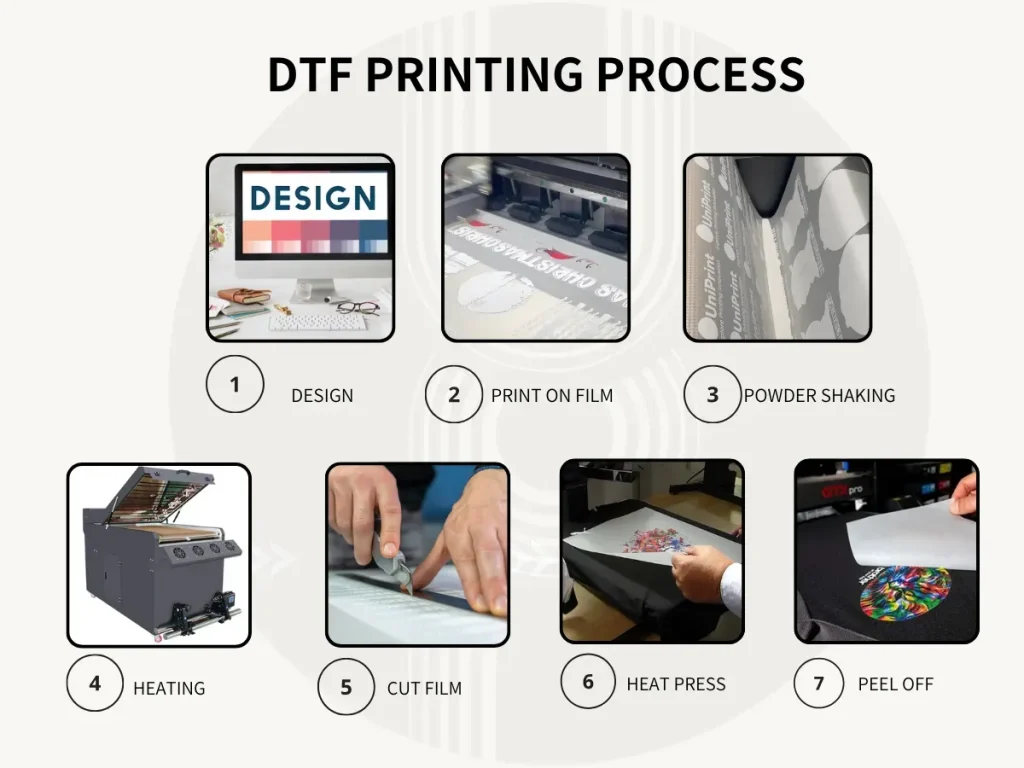
DTF printing is redefining how brands decorate garments in 2026 and beyond. This direct-to-film printing approach delivers vivid colors, strong durability, and streamlined workflows that fuel on-demand, customizable apparel. As you compare DTF vs DTG, you’ll note differences in cost, fabric compatibility, and the overall finish. For 2026, DTF printers and DTF inks have improved color fidelity and wash durability across a wider range of fabrics. If you’re exploring custom apparel printing 2026, this technology offers scalable production, on-demand flexibility, and predictable outcomes.
In other terms, the technology relies on a film-first transfer process, sometimes called film-based printing, where artwork is printed on a PET sheet before being applied to fabric. From an LSI perspective, terms such as direct-to-film transfer, digital textile transfers, and heat-pressed color graphics describe the same core approach to garments. This semantic variation helps search engines connect related concepts like transfer films, powders, and inks with broader topics such as custom apparel production and on-demand manufacturing. Viewed through the lens of user intent, audiences care about durability, color range, fabric compatibility, and turnaround speed, all of which these alternative terms imply.
DTF Printing in 2026: A New Standard for Custom Apparel
DTF printing is redefining how brands and small shops decorate garments, and 2026 marks a turning point where direct-to-film printing becomes a practical standard for many businesses. By leveraging vivid colors, strong durability, and streamlined workflows, DTF printing enables on-demand, customized apparel at scale without lengthy setup times.
As the ecosystem matures, improvements in transfer films, DTF inks, and multi-channel printers are delivering more consistent results across a wider range of fabrics. This means you can confidently offer personalized tees, hoodies, and team wear with reliable color reproduction and durable finishes, even for complex designs.
Direct-to-Film Printing vs Direct-to-Garment: Understanding the Key Differences
DTF vs DTG is a fundamental consideration for brands evaluating production approaches. DTF prints onto a transfer film first, then bonds the design to fabric, while DTG prints directly on the garment. This distinction influences cost structures, production speed, and the types of fabrics you can confidently decorate.
On dark fabrics, DTF’s white ink base tends to deliver stronger opacity and crisper color compared with many DTG workflows. DTF can also be more forgiving on a broader range of blends and synthetics, making it a versatile option for hybrid production strategies that blend on-demand efficiency with high-detail results.
Choosing the Right DTF System: Printers, Inks, and Films
Selecting a DTF system means evaluating three core components: DTF printers, DTF inks, and transfer films. Look for multi-channel capabilities, reliable white ink performance, and a robust ink recirculation system to maintain color accuracy on long runs.
DTF inks should offer vibrant color, strong opacity on dark fabrics, and stable curing during the heat-transfer process. Pairing high-quality transfer films with an optimized curing workflow helps achieve consistent adhesion and minimal film residue, which is essential for scalable custom apparel printing 2026.
Workflow and Efficiency: How DTF Reduces Turnaround for Small Shops
One of the strongest drivers for adopting DTF is workflow efficiency. Direct-to-film transfers streamline setup and allow rapid design changes, enabling on-demand production and reduced inventory risk for small shops and brands.
With improved RIP software, calibration workflows, and reliable curing, shops can move from design conception to sale faster than ever. This efficiency supports batch processing and quick-turnaround campaigns, making DTF a practical solution for diverse product lines.
Fabric Versatility and Color Opacity: DTF’s Performance Across Materials
DTF technology delivers vibrant, durable prints across a wide fabric spectrum, including cotton, blends, and certain synthetics. Proper white ink base and optimized color channels help maintain opacity on dark fabrics and preserve fine details in gradients.
Testing across fabrics is essential to ensure consistent results. DTF workflows benefit from color management practices, reliable film handling, and appropriate heat-press settings to maximize image fidelity and wash durability on every material.
Sustainability, Cost of Ownership, and Future Trends in DTF
DTF printing aligns with sustainability goals through reduced water usage, minimized waste, and on-demand production that lowers overproduction risk. When evaluating a DTF setup, consider total cost of ownership, including ink yield, film consumption, powder usage, maintenance, energy, and labor.
Looking ahead, trends like AI-assisted color management, integrated automation, expanded fabric compatibility, and hybrid production models will shape DTF’s evolution. Brands should watch for smarter grooming of color, faster maintenance cycles, and deeper integration with e-commerce and print-on-demand platforms.
Frequently Asked Questions
What is DTF printing and how does direct-to-film printing work?
DTF printing, short for direct-to-film printing, uses specialized inks to print designs onto a PET transfer film. After printing, a bonding powder is applied and cured, and the design is heat-transferred to fabric. The result is vibrant, durable images on a wide range of textiles, produced using DTF printers and DTF inks.
DTF vs DTG: which is better for custom apparel printing 2026?
DTF printing and DTG are two distinct garment-decoration paths. DTF often offers lower pretreatment, stronger opacity on dark fabrics, and cost efficiency for small runs, while DTG emphasizes direct-to-garment printing with soft hand on lighter fabrics. For custom apparel printing 2026, many shops adopt a hybrid approach depending on fabric, design detail, and run size.
Are DTF printers suitable for small businesses and hobbyists?
Yes. DTF printers are viable for small shops and hobbyists, offering scalable on-demand production and wide fabric compatibility. Look for reliable white ink channels, good head durability, supplier support, and reasonable consumable costs to protect ROI.
How durable are DTF inks on dark fabrics?
DTF inks provide strong color and good opacity on dark fabrics thanks to a white ink base. With proper curing and heat-press parameters, the transfers resist washing and wear, though following manufacturer guidelines and color management practices improves longevity.
Can DTF printing handle multiple fabrics and complex designs?
Yes, DTF printing is versatile across cotton, blends, and some synthetics, enabling full-color images, gradients, and fine details via transfer film and DTF inks. Quality comes from film quality, accurate color management, and consistent curing.
What should I consider when evaluating DTF printing solutions in 2026 (printers, inks, transfer films)?
When evaluating DTF printing setups in 2026, assess the reliability and maintenance needs of DTF printers, the color accuracy and yield of DTF inks, the adhesion and clarity of the transfer film, the curing process, and the total cost of ownership including consumables and labor.
| Topic | |
|---|---|
| What is DTF Printing and How It Works |
|
| 2026 Turning Point for DTF Printing |
|
| DTF vs DTG: Choosing the Right Tool |
|
| Impact on Custom Apparel Printing in 2026 |
|
| Key Components of a DTF System: Printers, Inks, and Transfer Films |
|
| Practical Guidance for Implementing DTF in 2026 |
|
| Sustainability and Efficiency in DTF Workflows |
|
| Future Trends in DTF Printing |
|
Summary
Note: The table above summarizes the key points about DTF printing and its ecosystem based on the provided content.