
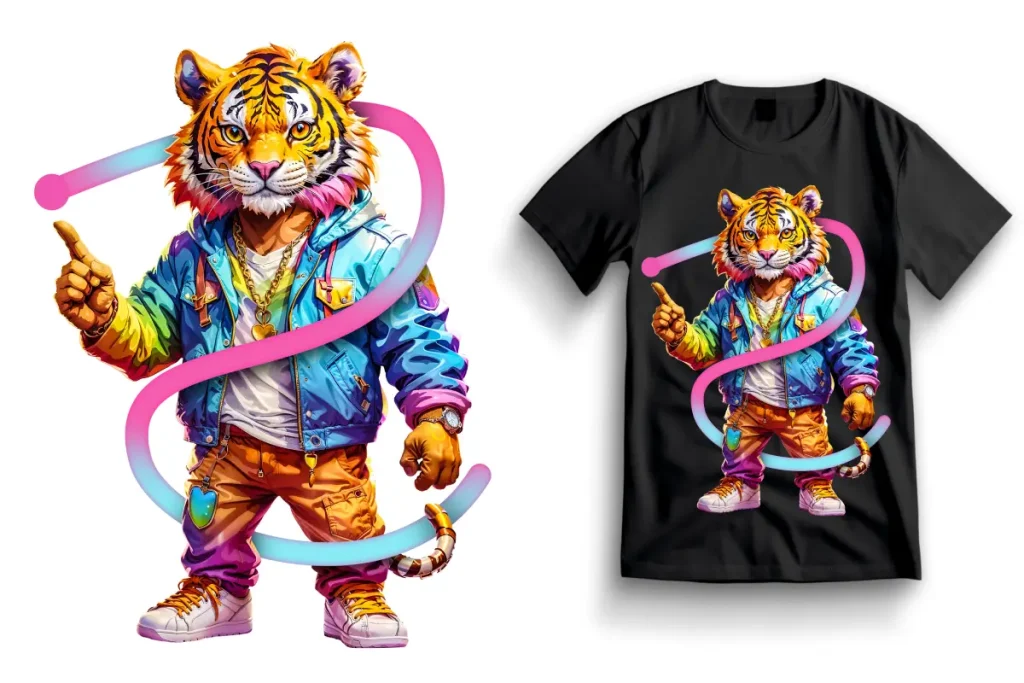
Stepping onto a bustling apparel production floor reveals a universal truth: traditional garment decoration methods are struggling to keep pace with the hyper-customized demands of modern retail. For independent streetwear designers, local corporate merchandisers, and seasoned print shop operators, finding a technique that merges vivid color depth with absolute fabric flexibility used to feel like an impossible dream. However, the commercial printing landscape has officially entered a new era where premium dtf transfers solve the chronic cracking, peeling, and complex setup issues that have plagued the textile industry for decades. This indirect digital system bridges the gap between intricate high-resolution computer designs and flawless garment execution, shifting how custom clothing is built from the ground up.
The Structural Chemistry of Direct-to-Film Integration
To successfully integrate this modern workflow into an active commercial enterprise, it helps to examine the actual multi-layered chemical structure that makes DTF applications remarkably resilient. Unlike older screen setups that force heavy plastisol ink layers directly onto a fabric facade, or direct-to-garment processes that inject dye particles straight into organic fibers, film-based customization works as a highly cohesive, heat-stable engineering ecosystem.
The entire creation cycle takes place on a clear, specialized polyethylene carrier sheet treated with a microscopic chemical release agent. Industrial digital printers, calibrated with specialized precision printheads, first apply thin coats of water-based color pigments. These specialized inks capture fine vector lines, intricate patterns, and detailed color gradients with photographic clarity. Instantly following the initial color pass, the machine applies a thick, solid layer of titanium-dioxide white ink right over the graphic area. This white layer acts as an essential opacity shield, ensuring that colors stay exceptionally vibrant and true when pressed onto dark fabrics.
The definitive strength of the design is locked in during the final stage. While the white backing ink remains wet, a fine thermoplastic polyurethane adhesive powder is dusted uniformly over the sheet. The film then travels through a thermal curing tunnel where the dry powder melts down into a continuous, flexible membrane that chemically fuses with the underlying ink layers. This creates a finished transfer that stays fully stable and ready to use until reactivated by a professional heat press.
Operational Breakthroughs Transforming the Modern Print Shop
Transitioning your current workshop floor away from older, rigid customization methods and adopting premium thermal transfers yields immediate, structural benefits for your daily project turnarounds, material overhead, and final product longevity.
- Universal Material Adaptation: While legacy digital printing machines remain limited almost strictly to 100 percent natural cotton garments, thermal film transfers create an unbreakable bond with cotton, pure polyester, synthetic performance wear, rugged canvas bags, raw dark denim, and lightweight nylon windbreakers.
- Incredible Stretch and Material Elasticity: The specialized polymer chains inside the hot-melt adhesive powder create a cured graphic that stretches naturally with the movement of the fabric, preventing the early cracking or splitting common in low-tier alternatives.
- Elimination of Liquid Pretreatments: The process completely removes the need for spray-on chemical pretreatments that often leave permanent stains, discolored rings, or stiff textures on deep black and navy garments.
- Smart Inventory Control: Brands can easily produce or purchase large rolls of transfer designs in advance and store them safely, pressing them onto blank apparel only when an end-customer order is confirmed.
The Strategic Edge of Localized Component Sourcing
In a commercial market driven by short promotional deadlines, local events, and rapid social media fashion trends, international shipping disruptions can damage a small business. This reality is why smart print shop managers frequently search for dtf transfers near me to build a resilient, close-by supply network that guarantees rapid delivery.
Sourcing your production components from a regional supplier cuts standard shipping windows from weeks down to hours. It removes the risk of international customs holdups, global cargo damage, and excessive express freight costs. Working with a nearby print partner also opens up opportunities for face-to-face material evaluations, quick prototyping, and the agility needed to handle sudden bulk rush orders without stress.
Navigating the Highly Competitive Texas Merchandising Market
The Texas custom apparel landscape is notoriously active, packed with competitive high school athletic clubs, sweeping corporate branding initiatives, and an explosive independent streetwear movement. Securing the absolute best dtf transfer at Houston requires looking past basic cost estimates and closely evaluating ink film density, wash longevity, and machine calibration accuracy.
The extreme seasonal heat and high humidity levels of the Southern region present a unique challenge for decorated clothing. Cheap transfers made with low-grade ink or coarse powders quickly break down, turning brittle, sticky, or peeling away entirely under thermal stress. Premium transfer films utilize highly refined polyurethanes that allow moisture to escape, keeping custom shirts, jerseys, and hoodies crisp, bright, and perfectly intact through endless wash cycles.
Maximizing Your Workspace Efficiency with Bulk Local Production
Purchasing large-scale industrial printing hardware requires significant capital, daily chemical maintenance, and dedicated ventilation systems. Many scaling clothing operations choose to bypass these massive operational overhead costs by trusting a dedicated Houston dtf transfer service to manage the complex printing and curing phases.
By outsourcing the film production to a specialized facility, your core team can focus entirely on graphic design, digital marketing campaigns, and building client relationships. Ordering comprehensive gang sheets allows you to pack multiple logos, neck labels, and large graphic panels onto a single continuous roll of film. This maximizes material efficiency and lowers unit costs to a fraction of traditional methods, delivering a retail-ready product line that aligns with premium department store standards.
The Professional Blueprint for Impeccable Heat Press Application
While the internal science behind high-density transfer film is highly advanced, applying the finished product to your garments is remarkably straightforward if your production team maintains a disciplined, consistent workflow. Follow these production steps to secure retail-ready outcomes on every press cycle:
- Calibrate Your Thermal Tools: Preheat your professional heat press until it reaches a stable temperature between 300°F and 320°F (150°C to 160°C). Always verify the surface temperature across the upper platen using an external infrared thermometer to avoid hidden cold spots.
- Execute the Moisture Purge: Place your blank garment flat onto the lower silicone pad and clamp the heat press down firmly for 4 to 5 seconds. This essential step flattens stubborn wrinkles and expels trapped ambient moisture from deep within the textile fibers, ensuring the hot-melt adhesive powder can bond smoothly.
- Align the Graphic Film: Position your custom transfer sheet carefully over the designated placement zone on the apparel, making sure the printed ink and white adhesive side rests directly against the face of the fabric.
- Run the Primary Heat Cycle: Clamp the press down completely with medium to firm pressure for a precise duration of 12 to 15 seconds, allowing the specialized backing powder to liquefy completely and flow deep into the fabric yarn structure.
- Perform the Film Separation: Allow the decorated garment to cool down completely to room temperature if utilizing a traditional cold-peel film, or smoothly peel the plastic carrier away in one steady, continuous motion if your project uses an advanced hot-peel alternative.
- Lock in the Finishing Seal: Lay a sheet of protective silicone paper or matte parchment paper directly over the newly exposed print and close the press for a final 5 seconds. This critical final compression removes any artificial plastic sheen, leaves a high-end matte finish, and locks the outer borders of the design into the garment for maximum wash longevity.
Frequently Asked Questions
Can digital film transfers be safely applied to sublimated polyester apparel?
Yes, premium transfers work beautifully across sublimated polyester garments. However, to prevent dye migration, where active chemical dyes in the polyester fabric bleed into the white backing ink under heat, you must utilize specialized transfer films containing a carbon-infused anti-migration layer. This extra barrier physically blocks the textile dyes from rising into your design during the heat press cycle.
What is the recommended way to store unused transfer films before application?
Unpressed transfer films should always be kept completely flat inside airtight, moisture-proof plastic storage bags to shield them from environmental humidity, airborne dust, and debris. Keep your storage containers inside a climate-controlled room away from direct sunlight. Under these optimal storage conditions, professional prints will retain their full adhesive strength and color depth for up to one calendar year.
Why do some transfers split or lift around the edges after the first few wash cycles?
Premature lifting or edge cracking is almost always caused by incorrect application parameters during production. This issue typically surfaces if the heat press failed to reach its target temperature, if the manual pressure setting was adjusted too low, or if the garment retained excessive moisture prior to pressing. Using a heavy commercial-grade heat press instead of a standard domestic home iron completely eliminates these operational failures.
How breathable are these digital film prints when covering large garment areas?
Because premium transfers utilize incredibly thin, highly flexible polyurethane films rather than the thick, rubbery plastisol inks common in old-school screen printing, they maintain remarkable flexibility. For massive, full-back graphic designs, breaking up the solid artwork with distressed halftones, fine textures, or negative space elements will greatly increase the overall breathability, comfort, and drape of the finished garment.
Driving Brand Longevity with Trusted Production Partners
In a marketplace where product quality directly defines corporate reputation, choosing the right production partner is the single most critical decision a business leader can make. Subpar raw materials inevitably yield brittle prints that fade quickly, cause costly customer returns, and hurt your brand value. Selecting Harwin DTF provides your company with uncompromised print clarity, immaculate color replication, and exceptionally durable material configurations built to survive the wear and tear of daily life. By blending your creative visual concepts with our dependable commercial infrastructure, you can confidently scale your business output, hit your delivery targets, and win a commanding position in the custom apparel marketplace.