
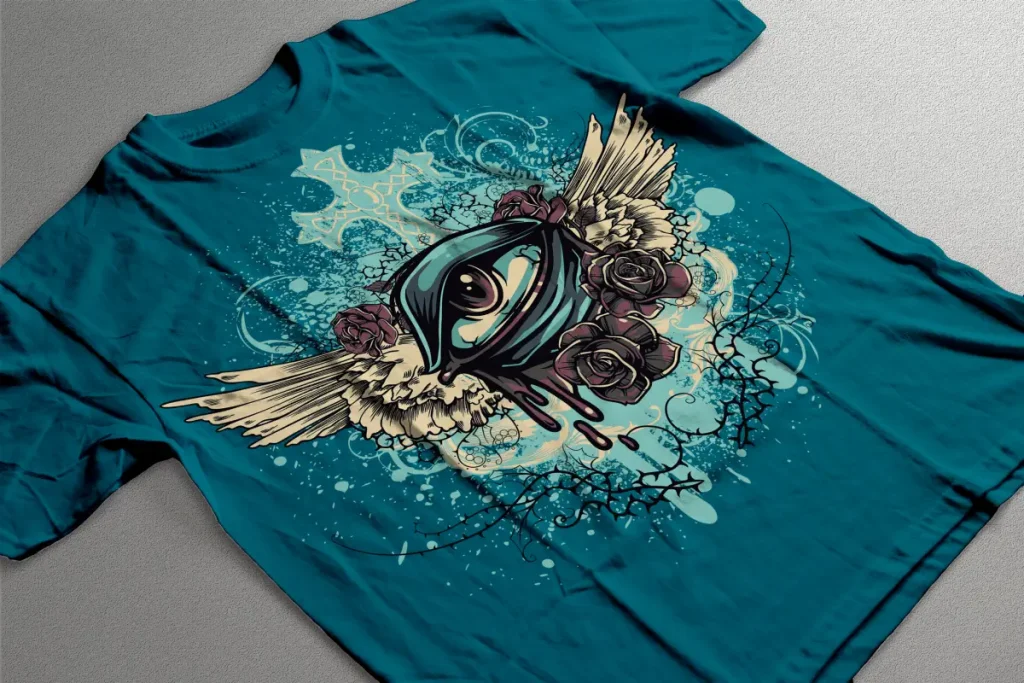
Every professional garment decorator knows the sinking feeling of watching a newly pressed design peel at the edges or crack after a single wash. It is a frustrating scenario that damages brand reputations and wastes valuable material inventory. However, the custom apparel industry has found a robust solution to these chronic failures. By understanding the material science and advanced application techniques behind high-quality dtf transfers, creators can produce vibrant, stretchable, and incredibly durable clothing that rivals the best retail brands on the market. This comprehensive guide explores the mechanics of flawless fabric printing, the importance of quality control, and how modern digital methods are reshaping the production floor.
The Anatomy of a High-Performance Digital Print
To truly master your production workflow, you must look beneath the surface of the final printed graphic. The resilience of DTF, which stands for Direct-to-Film, relies on a highly engineered, multi-layered chemical structure. Older customization methods, such as screen printing, force thick layers of plastisol ink directly into the fabric weave. While durable, this often results in a heavy, non-breathable shield on the chest of a shirt. The film-based process takes an entirely different, far more sophisticated approach.
The creation of a premium transfer begins on a translucent polyethylene carrier sheet that has been treated with a specialized matte release coating. Industrial piezoelectric printheads first deposit a layer of water-based color pigments. These inks are formulated to capture extreme photographic details and complex color gradients. Instantly following the color pass, a dense layer of titanium dioxide white ink is applied. This white layer serves as a critical opacity barrier, ensuring that the colors remain vivid even when applied to jet-black or dark navy garments.
The true magic, however, happens in the final production stage. While the white ink is still wet, a fine thermoplastic polyurethane adhesive powder is applied evenly across the design. The film is then processed through a thermal curing tunnel. The heat melts the powder into a continuous, flexible membrane that chemically bonds with the ink. This resulting structure remains completely shelf-stable until it is reactivated by the intense heat and pressure of a commercial heat press in your workshop.
Overcoming the Limitations of Legacy Garment Decoration
For years, print shops were forced to compromise. Direct-to-Garment printing offered beautiful full-color results but restricted creators to using 100 percent natural cotton. Furthermore, it required messy liquid pretreatments that frequently stained garments or left stiff, unappealing chemical textures on the fabric. On the other hand, traditional vinyl cutting was extremely labor-intensive for complex designs and often felt rigid against the skin.
The integration of professional dtf transfers eliminates these historical bottlenecks entirely. Because the adhesive powder melts directly into the fibers of the target material under pressure, the process is largely fabric agnostic. You can effortlessly apply the exact same printed film to an organic cotton t-shirt, a heavy polyester winter fleece, a rough canvas tote bag, or a lightweight nylon windbreaker. The cured polyurethane membrane stretches naturally alongside flexible activewear fabrics, completely preventing the premature cracking and structural splitting that plagues inferior printing methods.
Mastering Quality Control and Digital File Preparation
Achieving a flawless final product begins long before the heat press is ever turned on. The quality of your digital artwork directly dictates the quality of your printed film. Many beginners make the mistake of exporting low-resolution web graphics for print production. To guarantee crisp lines and smooth color transitions, your artwork must be exported at a minimum resolution of 300 dots per inch.
Additionally, pay close attention to your color spaces and edge pixels. Designs should be created with a completely transparent background. Any stray, semi-transparent pixels left around the edges of your design will be picked up by the white ink layer during the printing process. This results in an undesirable white halo around your graphic when it is finally pressed onto a dark garment. By instituting strict quality control checks on your digital files, you ensure that your physical outputs remain clean, sharp, and highly professional.
The Business Logistics of Localized Manufacturing
In a retail environment characterized by sudden social media fashion trends and strict corporate event deadlines, relying on unpredictable overseas shipping can paralyze an apparel business. Extended transit times, potential customs holds, and hidden import fees create an unstable foundation for growth. This logistical vulnerability explains why successful print shop operators actively search for dtf transfers near me to establish a resilient, highly responsive domestic supply chain.
Working closely with a local or regional manufacturing partner fundamentally changes how you manage your inventory and cash flow. Instead of waiting weeks for a bulk shipment of transfers to arrive, local sourcing cuts delivery windows down to a matter of days or even hours. This geographical proximity allows businesses to request rapid prototypes, conduct physical quality audits, and easily accommodate massive, last-minute rush orders for local clients without incurring extreme overnight freight charges.
Engineering Apparel for Extreme Southern Climates
Environmental factors play a massive role in the longevity of customized apparel. The harsh Texas climate, characterized by brutal summer heat and intense coastal humidity, presents a unique and aggressive test for decorated garments. Low-grade prints manufactured with cheap backing powders will rapidly degrade under these conditions. The adhesive can become sticky, turn brittle, or completely delaminate from the fabric when exposed to heavy sweat and frequent, rigorous washing.
To build a clothing brand that survives these elements, securing the best dtf transfer at Houston is an absolute necessity. Premium transfers engineered for extreme climates utilize ultra-refined, breathable polyurethanes. This advanced chemistry allows body heat and moisture to pass naturally through the printed graphic, ensuring that athletic jerseys, corporate polo shirts, and heavy workwear remain comfortable and structurally intact, no matter how demanding the environment becomes.
Scaling Output with Dedicated Commercial Infrastructure
As your custom apparel business grows, you will inevitably face the challenge of scaling your production capacity. Purchasing your own industrial film printing equipment requires a massive upfront capital investment. Furthermore, these sophisticated machines require dedicated climate-controlled rooms, daily liquid maintenance routines, and extensive operator training to prevent the white ink lines from clogging.
Many smart entrepreneurs choose to bypass these massive operational burdens by partnering with a specialized Houston dtf transfer service. By outsourcing the complex chemical printing and powder curing phases to a dedicated laboratory, you free up your internal team to focus on what truly drives revenue: graphic design, client acquisition, and rapid order fulfillment. When you align your brand with a trusted expert like Harwin DTF, you instantly gain access to commercial-grade print quality, flawless color replication, and industry-leading durability without the stress of hardware maintenance.
A Rigorous Blueprint for Flawless Application
Even the highest quality transfer film will fail if it is applied incorrectly. Proper heat press operation requires strict discipline and attention to detail. Follow this professional workflow to ensure your designs fuse permanently with your garments:
- Verify Equipment Calibration: Preheat your commercial press to a stable temperature between 300°F and 320°F (150°C to 160°C). Never trust the digital readout alone; use a separate infrared thermometer to check the upper platen for hidden cold spots that could ruin the adhesive bond.
- Execute a Mandatory Moisture Purge: Lay your blank apparel on the lower silicone pad and press it firmly for 5 seconds. This critical action flattens stubborn wrinkles and vaporizes hidden ambient moisture trapped inside the fabric yarns.
- Position the Graphic Carefully: Align your transfer film over the target area. Ensure the printed ink and white adhesive side is resting directly flat against the fabric surface.
- Initiate the Primary Thermal Cycle: Clamp the machine closed using heavy, even pressure for exactly 12 to 15 seconds. This duration allows the thermoplastic powder to reach its melting point and flow deep into the microscopic gaps of the textile.
- Perform the Film Release: Depending on the specific instructions for your film, either wait for the garment to cool entirely to room temperature for a cold-peel, or remove the carrier sheet in one smooth, continuous motion for a hot-peel system.
- Apply the Final Curing Seal: Cover the newly exposed design with a premium sheet of parchment paper or a non-stick Teflon pad. Close the press one final time for 5 seconds. This essential finishing step removes any artificial glossy sheen, embeds the ink deeper into the fabric, and yields a luxurious, soft-matte retail texture.
Frequently Asked Questions
How can I tell if my heat press temperature is dropping during a production run?
Inconsistent application is a major cause of print failure. If your designs are peeling at the corners despite following the correct timing, your heat platen may be losing temperature rapidly between presses. Use a handheld infrared thermometer to scan the heating element immediately after a cycle. If the temperature drops significantly and struggles to recover, you may need to increase the resting interval between shirts or upgrade to a press with a thicker heating element.
Do I need to modify my washing instructions for full-color digital prints?
To maximize the lifespan of any heat-applied graphic, preventative care is important. Always instruct your customers to turn the garment inside out before placing it in the washing machine. Wash using cold water and a mild detergent on a gentle cycle. Advise against the use of harsh chlorine bleaches or heavy fabric softeners, and recommend air drying or using a low-heat tumble setting to prevent thermal damage to the polyurethane bond.
What is the optimal storage condition for unused film sheets?
Proper storage is vital for preserving the integrity of the unpressed adhesive powder. Keep your unused prints completely flat inside airtight, moisture-sealed plastic bags or heavy-duty storage bins. Store these containers in a cool, climate-controlled environment away from direct sunlight, excess humidity, and airborne dust. Under these controlled conditions, premium transfers will maintain their full pressing strength for up to a year.
Can these graphics be pressed onto heavily ribbed or textured fabrics?
Applying digital films to heavily textured items, such as thick canvas bags or deep-ribbed tank tops, requires a slight modification to your technique. You must significantly increase the physical pressure on your heat press to ensure the melted adhesive reaches the deepest valleys of the fabric texture. Additionally, adding an extra 3 to 5 seconds to your primary pressing time can help the hot-melt powder achieve a more comprehensive structural bond on difficult materials.
Solidifying Your Position in the Custom Apparel Market
Building a successful clothing brand or a reputable printing business requires an unwavering commitment to product excellence. Delivering garments that look stunning on day one but fail after a week of wear is a guaranteed way to lose your customer base. By adopting a stringent quality control process and utilizing premium thermal technology, you safeguard your brand reputation. Partnering with industry leaders like Harwin DTF provides you with the high-resolution precision, vibrant color accuracy, and heavy-duty material durability needed to outshine your competition. Invest in superior components, master your application workflow, and confidently deliver custom apparel that stands the test of time.