
In the modern apparel decoration industry, the difference between a thriving business and one that struggles to keep up is often found in the technology used on the production floor. As the demand for highly personalized and retail-ready apparel grows, dtf printing has emerged as the clear winner for businesses aiming for both efficiency and detail. If you are ready to stop outsourcing your design potential and start mastering your own high-quality output, understanding the nuances of this digital-to-film process is your next essential step.
The beauty of dtf transfers lies in their ability to bridge the gap between complex graphic design and simple application. Unlike screen printing, which demands bulky equipment and labor-intensive setups, or vinyl that restricts you to simple, single-color shapes, this method empowers you to print photographic-quality images with full-color gradients. For a growing brand like yours, this means your only limit is your creativity, not your production capacity. At Harwin, we focus on helping you leverage these digital tools to create a workflow that is as robust as it is flexible.
Engineering Perfection in Every Press
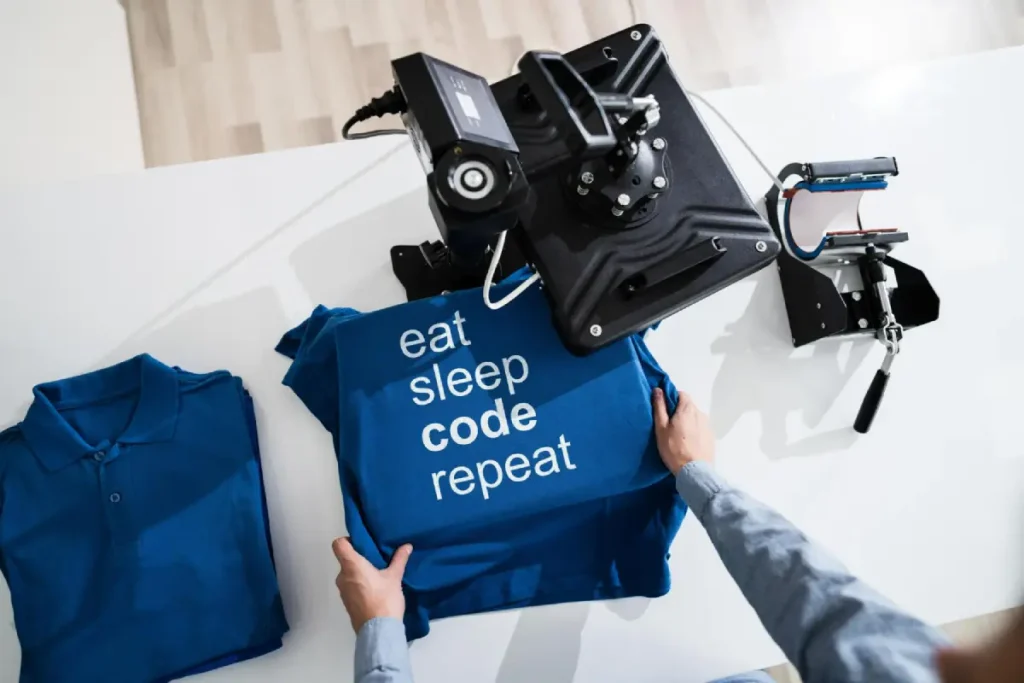
Consistency is the currency of the apparel decoration world. Your clients return because they know that every garment they receive will feel soft, look sharp, and last through seasons of wear. Achieving this level of quality with dtf is not just about having the right printer—it is about the discipline of your application. The heat-press process is where the design officially becomes a part of the garment, and it is here that many businesses make their biggest mistakes.
To ensure peak performance, you must document your specific settings for every textile you use. A 100% cotton tee will respond differently to heat and pressure than a performance polyester athletic top. We suggest maintaining a “Master Settings Log” that records your optimal dwell time and temperature for every product line. By controlling these variables, you move away from the frustration of occasional failures and toward a model of predictable, professional output that defines a truly expert operation.
Solving Supply Chain Challenges Locally
Efficiency in logistics is just as important as the quality of the print itself. For many print shops, the struggle to get high-quality transfers quickly is the biggest roadblock to growth. When you search for dtf transfers near me, you are looking for more than just a vendor; you are looking for a strategic partner. A great regional provider understands the importance of consistent curing and quality control, acting as an extension of your own studio.
By shortening your supply chain, you gain the ability to offer faster turnaround times to your customers. This speed is a major competitive advantage, allowing you to accept rush orders that your competitors might decline. Furthermore, building a relationship with a local supplier allows for open communication regarding print quality and technical adjustments, ensuring that the film you receive is always calibrated for your specific equipment. This collaborative approach is a pillar of the Harwin philosophy for sustainable business scaling.
Ensuring Long-Term Print Durability
The final, and perhaps most critical, aspect of your production is the “cool-down” phase. It is a common misconception that transfers must be peeled immediately after the heat press is lifted. In reality, allowing the garment to return to room temperature is essential for the adhesive to finalize its bond with the fabric weave. This patience ensures that your prints do not develop micro-cracks or peel after the first wash cycle.
We also strongly advise performing regular internal “stress tests” on your inventory. Once a week, put a sample garment through an aggressive cycle of hot water and high heat to see how your prints hold up. This proactive approach to quality assurance builds deep internal knowledge and allows you to offer your customers ironclad guarantees regarding the durability of your apparel. When you can promise a product that is both stunning and permanent, you effectively eliminate the risk of returns and solidify your reputation as a top-tier provider.
Frequently Asked Questions
Why choose DTF over traditional heat transfer vinyl?
Vinyl is limited by the labor-heavy weeding process and feels rigid on the fabric. dtf is a full-color digital process that provides a thin, breathable finish, allowing for highly complex artwork with zero manual labor involved in design preparation.
How do I know if my local transfer provider is high-quality?
When searching for dtf transfers near me, request samples that show a variety of ink densities. Perform a “stretch test” on these samples; a high-quality transfer will move with the fabric and recover its shape without cracking or lifting from the fibers.
Can this process handle one-off custom requests?
Yes, its efficiency makes it the perfect choice for small-batch or one-off work. Because there are no screens to wash or setups to create, you can produce a single shirt or a hundred shirts with the same level of ease and precision.
What common errors cause a design to feel “plastic-like” or stiff?
A stiff feel is almost always a result of either excessive adhesive powder or an improperly calibrated curing oven. Ensure you are using a fine-mesh adhesive and confirm your supplier’s curing process is fully automated for consistent results across every inch of the film.
Success in this industry is a marriage of your creative vision and your technical precision. By mastering these production standards, you position your brand to compete at the highest level of the custom apparel market. Harwin is committed to providing the industry insights you need to turn your production floor into a professional, profitable enterprise. Start refining your workflow today—your future customers will thank you for the quality they wear.