
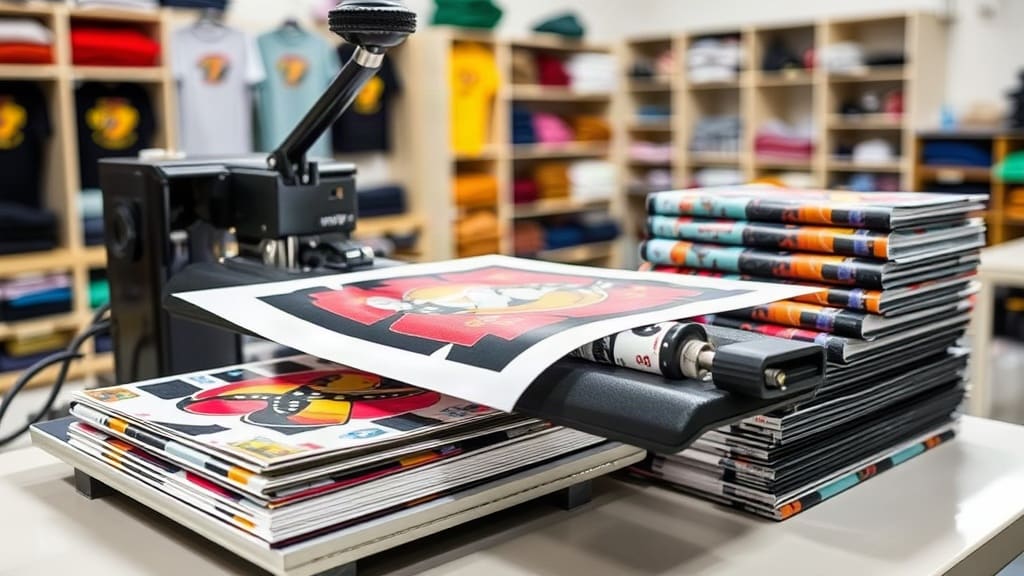
Finding reliable dtf transfers near me can feel like a treasure hunt, especially when you need consistent quality and quick turnaround. Whether you're a small business owner, a hobbyist, or someone making custom gifts, the right DTF transfer provider can make or break your project. In this guide, I'll share what I've learned from years of working with various suppliers, what to look for in a good transfer, and how to ensure your prints come out vibrant and durable.
What Are DTF Transfers and Why Are They So Popular?
Direct-to-film (DTF) transfers involve printing your design onto a special film, applying adhesive powder, and then heat-pressing the film onto your garment. Unlike traditional screen printing, DTF works on a wide range of fabrics, including cotton, polyester, and blends, without requiring separate treatments. This versatility, plus the ability to produce detailed, full-color prints, has made DTF a go-to for many apparel decorators.
The Advantages of DTF Over Other Methods
One of the biggest advantages is that DTF transfers can be stored for later use, making them perfect for on-demand printing. You can order a batch of transfers, press them as needed, and save on inventory. Additionally, the prints are soft to the touch and stretchable, which is a huge plus for activewear and everyday tees.
Key Factors to Consider When Choosing a DTF Transfer Provider
Not all DTF transfers are created equal. To get the best results, you need to pay attention to several critical factors that affect print quality and durability.
Print Resolution and Color Vibrancy
The first thing to examine is the resolution of the print. High-quality transfers should have crisp edges and no color banding. Ask providers for samples or check their portfolio. Vibrant colors that pop on the fabric are a sign of good ink and proper curing. I've seen many low-cost transfers look washed out after just a few washes, which is a red flag.
Adhesive Powder and Washability
The adhesive powder is what makes the transfer stick. A good provider uses a fine, evenly applied powder that melts at the right temperature. After pressing, the print should be able to withstand multiple washes without cracking or peeling. I always recommend doing a wash test on a sample before committing to a large order.
Film Quality and White Underbase
The film used should be of high quality, and the white underbase must be opaque enough to make colors pop on dark fabrics. If the white is too thin, your design will look dull. Ask about the film thickness and the number of layers in the white underbase.
Where to Find DTF Transfers Near You
Now that you know what to look for, the next step is finding providers. There are several avenues you can explore, both online and offline.
Local Print Shops
Start by searching for local print shops that offer DTF services. Many screen printing businesses have added DTF to their offerings. Visiting them in person allows you to see sample prints, feel the texture, and discuss your project face-to-face. You can also check their equipment and ask about their process.
Online Marketplaces and Direct Suppliers
If you can't find a local option, or you're looking for more competitive pricing, online marketplaces like Etsy and specialized DTF suppliers are excellent alternatives. Just because they're online doesn't mean they're not nearby. Some companies offer fast shipping and even local pickup if they're in your region.
Trade Shows and Industry Events
Attending trade shows like the SGIA Expo or local print industry gatherings is a great way to meet suppliers face-to-face. You can see live demos, test products, and network with other professionals who can recommend trusted providers.
How to Evaluate Samples and Make the Right Choice
Once you have a few candidates, it's time to evaluate their work. Ordering samples is the best way to test quality without a big commitment.
Testing Your Own Designs
Don't just rely on their sample packs. Use your own design, preferably one with fine details and different colors, to see how they handle it. Press the transfer onto the exact type of garment you plan to use, and then wash it a few times to check durability.
Comparing Prices and Turnaround Time
While price is important, it shouldn't be the only factor. Compare the cost per transfer, but also consider the turnaround time. If you need orders quickly, a slightly more expensive provider that offers 24-hour turnaround might be worth it. Always ask about rush services and their availability.
Checking Customer Reviews and Reputation
Take time to read reviews on Google, Yelp, and social media. Look for patterns in feedback, especially regarding quality consistency and customer service. A provider with a few negative reviews but a history of resolving issues might be more reliable than one with no reviews at all.
Tips for Working with a DTF Transfer Provider
Once you've chosen a provider, clear communication is key to getting the results you want.
Preparing Your Artwork Correctly
Make sure your artwork is in a high-resolution format, preferably PNG with a transparent background. Provide the correct dimensions and color profile (usually RGB). If you're unsure, ask the provider for their specifications. This prevents errors and delays.
Understanding Pressing Instructions
Different providers may have specific pressing requirements, such as temperature, pressure, and time. Follow their instructions meticulously. I've seen many people ruin a perfectly good transfer by pressing at the wrong temperature. Always do a test press if you're using a new garment type.
Ordering in Bulk for Better Rates
If you have ongoing needs, consider ordering in bulk. Many providers offer tiered pricing, so the more you order, the cheaper each transfer becomes. This is also a good way to build a relationship with a supplier who will prioritize your orders.
Common Mistakes to Avoid
Even with a great provider, mistakes can happen. Here are the most common pitfalls I've encountered and how to avoid them.
Choosing Based on Price Alone
The cheapest option is rarely the best. Low-quality transfers often fail after a few washes, leading to customer complaints and wasted material. Invest in quality, and you'll save money in the long run.
Ignoring the Type of Fabric
DTF works on most fabrics, but the pressing conditions may vary. For example, high-pile fabrics like fleece may require more pressure. Always check the provider's recommendations for different materials.
Not Testing Before Committing
Skipping samples is a big mistake. Always test before placing a large order, especially if you're using a new provider or a new fabric. It's a small price to pay for peace of mind.
Frequently Asked Questions
How long do DTF transfers last?
With proper care, a high-quality DTF transfer can last for over 50 washes without significant fading or cracking. The key is to use the right heat press settings and follow the provider's instructions. Washing in cold water and air drying can extend the lifespan.
Can I use DTF transfers on dark-colored garments?
Yes, DTF transfers are excellent for dark fabrics, thanks to the opaque white underbase. This is one of the major advantages over other methods like sublimation, which only works on light colors.
What is the minimum order quantity for custom DTF transfers?
Many providers offer no minimum order quantity, allowing you to order even a single transfer. However, prices per transfer are usually lower when you order more. Check with your chosen provider for their specific policies.
How should I store unused DTF transfers?
Store your transfers in a cool, dry place away from direct sunlight. Keep them flat and avoid folding, as creases can affect the adhesive. If stored properly, they can last for months without losing quality.
Can I do DTF transfers at home?
Yes, with the right equipment, you can do small-scale DTF at home. You'll need a printer, DTF film, adhesive powder, and a heat press. However, the initial setup cost can be high, and there's a learning curve. For many, it's more cost-effective to order from a professional provider.
Finding dtf transfers near me doesn't have to be a struggle. By focusing on quality, building relationships with reliable suppliers, and following the tips outlined here, you'll be well on your way to producing stunning, durable custom apparel that your customers will love. Remember, the key is to test, communicate, and never compromise on quality. Happy printing!