
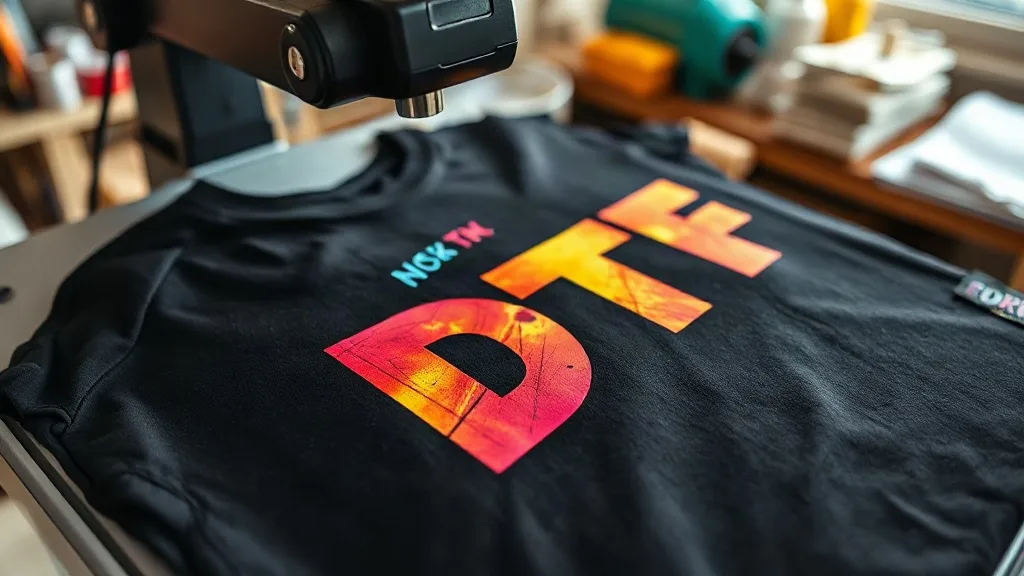
If you've been searching for a way to print vibrant, durable designs on t-shirts, hoodies, or even tote bags, you've likely encountered dtf printing. This technology has quickly become a favorite among apparel decorators, small business owners, and DIY enthusiasts. But what exactly makes dtf transfers so special? In this guide, we'll dive deep into the world of DTF printing, covering everything from the step-by-step process to the reasons why it might be the perfect solution for your next project.
What Are DTF Transfers?
DTF stands for Direct to Film. It's a printing method where your design is printed onto a special PET film using water-based inks, then coated with a hot-melt adhesive powder. Once the powder is cured, the transfer is ready to be applied to fabric using a heat press. Unlike DTG (Direct to Garment) printing, which prints directly onto the fabric, DTF transfers allow you to print on a wide range of materials, including cotton, polyester, blends, and even nylon. This versatility is one of the main reasons dtf transfers have gained massive popularity.
The DTF Printing Process: Step by Step
Understanding how DTF transfers are made and applied helps you appreciate their quality and troubleshoot any issues. Here's a breakdown of the process:
1. Design Preparation
First, your artwork is prepared digitally. It's important to use high-resolution images and ensure the colors are set correctly for printing. The design is then printed in reverse (mirrored) onto the film.
2. Printing onto Film
A DTF printer uses CMYK inks plus white ink. The white ink acts as a base, allowing the colors to pop on both light and dark fabrics. The printer lays down the white ink first, followed by the color layers.
3. Powder Application
While the ink is still wet, a hot-melt adhesive powder is sprinkled evenly over the printed design. The excess powder is shaken off, leaving a thin layer adhering to the ink.
4. Curing
The film with the powder is then heated to melt the powder, creating a smooth, dry surface. This step is crucial for the durability of the transfer.
5. Heat Press Application
Finally, the transfer is placed onto the fabric and pressed with a heat press at a specific temperature and pressure for a set time. After pressing, the film is peeled away (hot or cold peel, depending on the film type), leaving the design bonded to the fabric.
Why Choose DTF Transfers Over Other Methods?
With so many printing options available, you might wonder what sets dtf transfers apart. Here are some compelling reasons:
- Unmatched Versatility: DTF works on almost any fabric, including cotton, polyester, blends, and even treated nylon. This opens up possibilities for decorating various garments and accessories.
- Vibrant Colors: The white ink base ensures that colors remain bright and opaque, even on dark backgrounds. You can achieve intricate details and gradients without worrying about the fabric color showing through.
- Durability: When applied correctly, DTF transfers are highly durable. They resist cracking, peeling, and fading, even after multiple washes.
- Cost-Effective for Small Batches: Unlike screen printing, which requires separate screens for each color and is cost-effective only for large orders, DTF is economical for small runs and single items. This makes it ideal for small businesses, personalized gifts, and samples.
- No Weeding or Cutting: With DTF, there's no need to weed vinyl or cut complex shapes. The design is printed and ready to press, saving time and labor.
- Soft Hand Feel: Advances in DTF technology have led to thinner transfers that feel soft to the touch, avoiding the heavy, plastic-like feel of some other methods.
Applications of DTF Transfers
The versatility of DTF printing means it can be used for a wide array of applications. Here are some popular uses:
- Custom T-Shirts and Apparel: From sports teams to corporate events, DTF transfers allow for vibrant, detailed designs on t-shirts, hoodies, and more.
- Fashion and Boutique Clothing: Small fashion brands use DTF to add unique graphics to their garments, creating limited-edition pieces.
- Promotional Products: Tote bags, hats, and even mousepads can be customized with DTF transfers.
- Personalized Gifts: Create one-of-a-kind gifts for birthdays, weddings, or holidays with photos, quotes, or custom artwork.
- Sportswear and Uniforms: DTF is great for adding names and numbers to jerseys, as well as team logos.
Tips for Successful DTF Transfer Application
To get the best results from your DTF transfers, follow these expert tips:
- Use the Right Heat Press Settings: Typically, you'll need a temperature around 325°F (160°C) and medium pressure for 10-15 seconds. However, always check the instructions provided with your specific film and powder.
- Pre-Press the Garment: This removes moisture and wrinkles, ensuring a smooth surface for the transfer.
- Peel at the Right Temperature: Some films are hot peel, others cold peel. Follow the manufacturer's recommendation to avoid smudging or incomplete transfer.
- Post-Press for Durability: After peeling, a second press for a few seconds (with a cover sheet) can improve washability.
- Wash Inside Out: To extend the life of your DTF-printed apparel, wash it inside out in cold water and avoid harsh detergents. Tumble dry on low or hang dry.
Common Challenges and How to Overcome Them
While DTF printing is relatively straightforward, beginners might encounter some issues. Here are a few common problems and their solutions:
- Insufficient Adhesion: This can happen if the powder isn't cured properly or if the press settings are off. Ensure even powder coverage and correct temperature/pressure.
- Color Fading: Using low-quality inks or incorrect curing can lead to fading. Invest in quality supplies and follow curing guidelines.
- Film Sticking: If the film sticks to the fabric after pressing, it might be due to insufficient cooling or too much pressure. Adjust your process accordingly.
- Clogged Printheads: Regular maintenance of your DTF printer is essential to prevent clogging. Print regularly and use cleaning solutions as recommended.
Frequently Asked Questions About DTF Transfers
What fabrics can I use with DTF transfers?
DTF transfers work on a wide range of fabrics, including cotton, polyester, cotton-poly blends, nylon, and even leather. However, for best results, always test on a small area first.
How long do DTF transfers last?
When applied correctly and cared for properly, DTF transfers can last as long as the garment itself. They are resistant to cracking, peeling, and fading, and can withstand dozens of washes.
Can I stretch DTF transfers?
DTF transfers have some stretchability, but they are not as elastic as the fabric itself. For highly stretchable fabrics like spandex, consider using a transfer with a higher elasticity or blend. Avoid overstretching the printed area.
Do I need a special printer for DTF?
Yes, DTF printing requires a dedicated DTF printer that uses pigment inks and white ink. However, you can also buy pre-printed DTF transfers from suppliers and apply them with a heat press.
Is DTF printing eco-friendly?
DTF printing uses water-based inks, which are more environmentally friendly than some other ink types. However, the PET film and powder do create some waste. Look for suppliers that offer eco-friendly options and recycle where possible.
Conclusion
DTF transfers have revolutionized the custom apparel industry by offering unparalleled versatility, vibrant colors, and durability. Whether you're a small business owner looking to expand your product line or a DIY enthusiast wanting to create personalized gifts, DTF printing provides a cost-effective and high-quality solution. By understanding the process, following best practices, and choosing quality supplies, you can achieve professional results that impress. So why not give dtf transfers a try for your next project? With the right approach, you'll unlock a world of creative possibilities.