
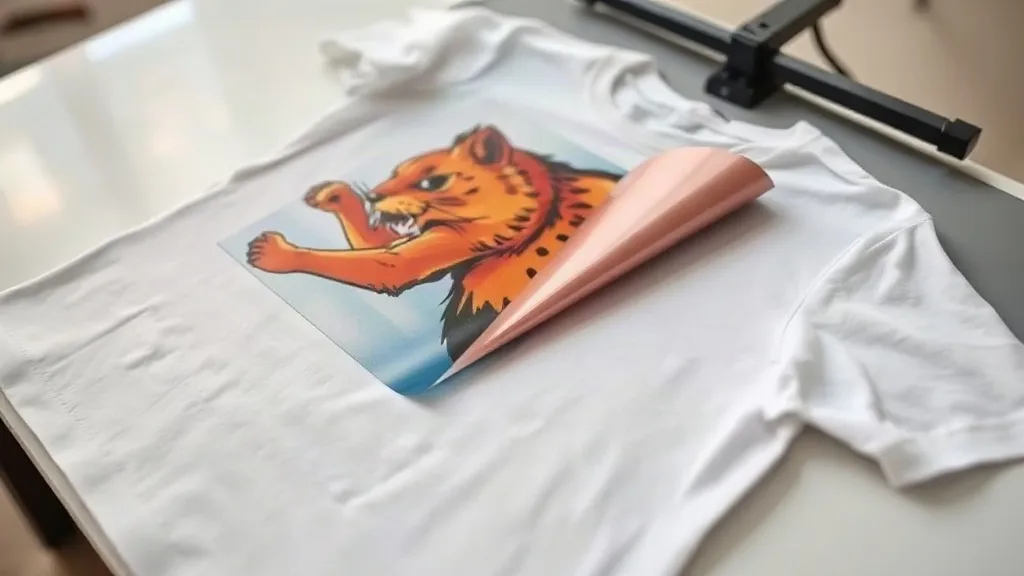
If you have been exploring custom apparel printing lately, you have likely encountered the term dtf. Direct-to-film printing is rapidly becoming the go-to method for creating vivid, long-lasting designs on fabric, and for good reason. Unlike traditional techniques that require specialized equipment or extensive cleanup, dtf transfers offer a versatile, cost-effective solution for everyone from hobbyists to large-scale production shops. In this guide, we will walk through what DTF printing is, how it works, and why it might be the perfect fit for your next project.
What Exactly Are DTF Transfers?
At its core, DTF printing involves printing a design onto a special film using pigment-based inks, then applying a powder adhesive to the wet ink. Once the film is cured, the design is transferred onto a garment using a heat press. The result is a soft, stretchable, and highly durable print that adheres to a wide range of fabrics, including cotton, polyester, blends, and even leather. Because the design sits on top of the fabric rather than being embedded into it, colors remain bright and opaque, even on dark materials.
One of the most appealing aspects of dtf transfers is that they eliminate the need for weeding, masking, or layering. You simply print, powder, cure, and press. This streamlined workflow saves time and reduces waste, making it an attractive option for small businesses and on-demand printers.
How the DTF Process Works Step by Step
Understanding the DTF process helps you appreciate its simplicity and flexibility. Here is a breakdown of the key stages:
- Design Preparation: Create your artwork in a graphic design program, ensuring it is mirrored (unless your printer software handles this automatically).
- Printing: Use a DTF printer equipped with pigment inks to print the design onto a PET film. The printer lays down a white ink base followed by the color layers.
- Powdering: While the ink is still wet, apply a hot-melt adhesive powder evenly over the design. Shake off the excess.
- Curing: Place the film in a curing oven or under a heat source to melt the powder. This step is crucial for creating a strong bond.
- Heat Pressing: Position the cured film onto your garment and press it with a heat press at the recommended temperature and time. Once cooled, peel off the film to reveal your vibrant design.
Each step requires attention to detail, but the learning curve is gentle. With a bit of practice, you can achieve professional-grade results right in your workshop.
Why Choose DTF Transfers Over Other Printing Methods?
DTF printing has several advantages that set it apart from screen printing, vinyl cutting, and DTG (direct-to-garment) printing. Let us compare:
- Versatility: DTF works on almost any fabric type, including those that are difficult to print on with other methods, such as nylon and leather.
- No Color Limitations: Unlike DTG, which may struggle with white ink on dark shirts, DTF produces vibrant colors on any background.
- Cost-Effective for Short Runs: Screen printing requires separate screens for each color, making short runs expensive. DTF has no such setup costs, so you can print one-off designs profitably.
- Durability: When applied correctly, DTF prints resist cracking, peeling, and fading, even after multiple washes.
- Soft Hand Feel: Advances in adhesive powders and inks have reduced the plasticky feel, giving prints a soft, flexible finish.
For businesses that offer personalized products, dtf transfers provide the agility to take on diverse orders without investing in multiple technologies.
Key Considerations for Successful DTF Printing
While DTF is forgiving, paying attention to a few details can dramatically improve your results.
Choosing the Right Film and Powder
Not all DTF films are created equal. Look for films with a consistent coating that release the ink cleanly. Similarly, the adhesive powder should be fine and uniform; coarse powders can lead to uneven transfer or a gritty texture. Experiment with different brands to find the combination that works best with your printer and typical fabrics.
Mastering Heat Press Settings
Temperature, pressure, and time are critical. Too little heat and the powder will not fully melt, causing poor adhesion. Too much heat can scorch the fabric or cause the ink to spread. As a starting point, many printers use 320°F (160°C) for 15 seconds with medium pressure, but always test with your specific materials. A heat press with accurate temperature control and even pressure distribution is worth the investment.
Pre-Treating Garments
For best results, pre-press the garment to remove moisture and wrinkles. This step also helps the film adhere smoothly. Some fabrics, like cotton, may benefit from a light pre-treatment to improve ink absorption, but DTF generally does not require special pre-treatments like DTG does.
Common Applications of DTF Transfers
The versatility of DTF opens up a world of possibilities. Here are some popular uses:
- Custom T-Shirts and Hoodies: Create personalized apparel for events, teams, or brands.
- Sportswear and Activewear: The stretchability of DTF prints makes them ideal for performance fabrics.
- Tote Bags and Accessories: Add logos or designs to bags, hats, and even shoes.
- Home Decor: Personalize pillows, blankets, and curtains with vibrant patterns.
- Promotional Products: Offer clients unique, high-quality branded items.
Because DTF transfers can be stored and shipped, they also enable a decentralized production model: you can print films in one location and press them elsewhere, which is great for fulfilling remote orders.
Tips for Getting Started with DTF Printing
If you are ready to dive into DTF, here are some practical tips to set you up for success:
- Start with a Quality Printer: While you can convert some inkjet printers, dedicated DTF printers offer better reliability and color accuracy.
- Invest in a Heat Press: A clamshell or swing-away press with digital controls will give you consistent results.
- Practice with Small Designs: Before tackling large, intricate prints, hone your skills on simpler designs to understand how your equipment behaves.
- Keep a Log: Record settings for each fabric type and design. This will help you replicate success and troubleshoot issues.
- Join Communities: Online forums and social media groups are invaluable for troubleshooting and learning from experienced DTF users.
Remember, dtf transfers are a tool, and like any tool, mastery comes with practice. Do not be discouraged by initial failures; each attempt teaches you something new.
Frequently Asked Questions About DTF Transfers
How long do DTF transfers last on a shirt?
When applied correctly and cared for properly, DTF transfers can last as long as the garment itself. They resist cracking and fading for 50+ washes. To maximize longevity, wash inside out in cold water and avoid harsh detergents or high heat in the dryer.
Can I use DTF transfers on dark and light fabrics?
Absolutely. DTF printing uses a white ink base, so colors remain vibrant on both dark and light materials. This is a major advantage over DTG, which often requires a white underbase for dark shirts.
Do I need a special printer for DTF?
You can use a dedicated DTF printer or convert a compatible inkjet printer with DTF inks and a film feeding system. However, dedicated printers are designed to handle the thick pigment inks and produce more consistent results, especially for business use.
What fabrics work best with DTF transfers?
DTF works well on cotton, polyester, blends, nylon, leather, and more. It is not recommended for fabrics with a heavy water-repellent coating, as the adhesive may not bond properly.
Is DTF printing cost-effective for small businesses?
Yes, DTF is highly cost-effective for short runs and one-off designs because there are no setup fees like screen printing. The main costs are the printer, ink, film, powder, and heat press, but these are quickly offset by the ability to take on diverse orders without minimums.
DTF printing is more than a trend; it is a robust technology that empowers creators and businesses to produce high-quality custom apparel with ease. Whether you are just starting or looking to expand your offerings, dtf transfers provide a reliable, versatile solution. With the right knowledge and a bit of practice, you can achieve stunning results that keep customers coming back.