
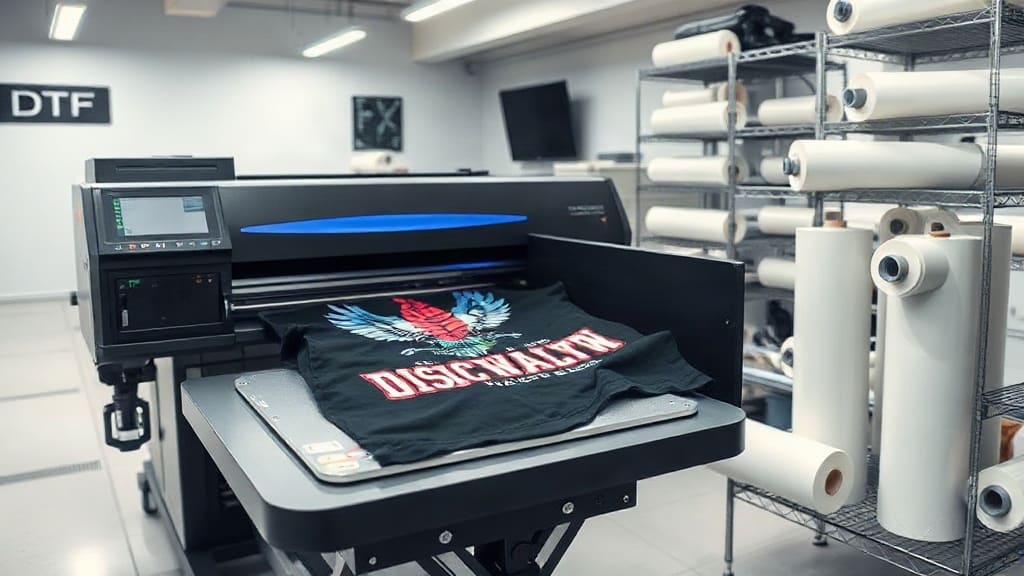
Direct to film, commonly known as DTF, has taken the custom apparel industry by storm. If you've been searching for a way to produce vibrant, durable prints without the complexity of traditional screen printing, DTF might be your answer. This printing method allows you to transfer full-color designs onto various fabrics, including cotton, polyester, and blends, with remarkable ease. In this comprehensive guide, we'll explore what DTF printing is, how it works, and how you can turn this technology into a thriving business in 2025.
What is DTF Printing and Why It's Gaining Popularity
Direct to film printing is a process where a design is printed onto a special PET film using a DTF printer and pigment inks. Once printed, an adhesive powder is applied to the wet ink, and the film is cured to melt the powder into a tacky adhesive layer. The film is then cut and stored until you're ready to press it onto a garment using a heat press. The result is a vibrant, stretchable, and wash-resistant print that feels soft to the touch.
The rise in popularity of DTF is no accident. Unlike direct-to-garment (DTG), which requires expensive pretreatment for cotton, DTF works on a wide range of fabrics without pretreatment. It also outperforms heat transfer vinyl for full-color designs because it can reproduce gradients and photographic details with ease. For small businesses and entrepreneurs, the low startup cost compared to screen printing and the quick turnaround times make it an attractive option.
Essential Equipment for a DTF Printing Setup
To start producing DTF prints, you'll need to invest in the right equipment. Here's a breakdown of the essential components:
- DTF Printer: You can use a specialized DTF printer or convert an EPSON eco-solvent or resin printer. Most DTF printers are based on EPSON XP or L-series models, modified with a bulk ink system and a film feeder.
- DTF Inks: Water-based pigment inks are used in DTF printing. They are available in CMYK plus white, and sometimes light cyan and light magenta for smoother gradients. The white ink is crucial for printing on dark garments.
- PET Films: These are transparent films with an adhesive coating that receives the ink. They come in different thicknesses; 0.75 mm is common for general use.
- Shaker and Oven: After printing, you need to apply adhesive powder. This can be done manually with a powder shaker or automatically with a powder shaker machine that also dries the powder. A convection oven or a heat press can be used to cure the powder.
- Heat Press: A clamshell or swing-away heat press is required to transfer the design from the film to the garment. A 15x15 inch press is versatile for most garments.
Additional Tools and Supplies
Beyond the core equipment, you'll need a computer with design software (like Adobe Illustrator or Photoshop), a RIP (Raster Image Processor) software to control the printer and manage color profiles, and a heat-resistant tape to secure the film during pressing. You'll also need a cutter if you plan to cut the film into specific shapes, though many printers come with a built-in cutter or you can use scissors for simple designs.
Step-by-Step DTF Printing Process
Mastering the DTF workflow is key to producing consistent, high-quality prints. Here's a detailed step-by-step guide:
- Design and RIP: Create your design in a vector or raster format. Use RIP software to mirror the image and set the color profile. Ensure the white ink layer is set to print underneath the CMYK colors for dark garments.
- Printing: Load the PET film into the printer with the coated side up. Print the design using the CMYK and white ink. The film will come out with the design face up, still wet.
- Powder Application: While the ink is wet, sprinkle the adhesive powder over the entire design. Cover all areas generously, then shake off the excess. This step requires precision to avoid powder on non-design areas, which can cause unwanted adhesion.
- Curing: Place the film with the powder into a curing oven or use a heat press to melt the powder. The temperature should be around 160°C (320°F) for approximately 2-3 minutes. The powder will turn from a dusty texture to a sticky, glue-like state.
- Cutting: Once cured, cut the film around the design, leaving a small border. You can store the transfer until you're ready to press.
- Pressing: Preheat your heat press to about 160-170°C (320-338°F). Place the garment on the lower platen, position the film with the design facing down, and press with medium pressure for 15-20 seconds. Peel the film off immediately (hot peel) for best results.
Tips for High-Quality DTF Prints
Achieving professional results requires attention to detail. Here are some insider tips to elevate your DTF prints:
- Color Management: Calibrate your monitor and use ICC profiles for your printer and film combination. Test prints are essential to ensure color accuracy.
- White Ink Handling: White ink tends to settle, so shake the cartridges or bottles regularly. Some printers have a recirculation system, but if not, manually stir the ink to prevent clogging.
- Powder Adhesion: Apply powder uniformly. Too little powder leads to weak adhesion, while too much can cause a thick, stiff print. Use a powder shaker with a sieve for even distribution.
- Curing Time: Don't rush the curing process. Inadequate curing can cause the adhesive to fail during washing. Test different times and temperatures for your specific powder.
- Test on Different Fabrics: Not all fabrics react the same. Always test on the actual fabric you plan to use, especially for stretchy materials like spandex or performance wear.
Starting a DTF Business: Costs and Profitability
One of the main appeals of DTF is the low barrier to entry. You can start a small-scale operation from your home or garage with a modest investment. Here's a rough breakdown of initial costs:
- DTF Printer (converted or dedicated): $1,500 - $5,000
- Heat Press: $300 - $1,000
- Powder Shaker & Oven (if not using a press for curing): $500 - $2,000
- Inks, films, powder, and miscellaneous supplies: $500 - $1,000
In total, you can expect to invest anywhere from $3,000 to $9,000 to get started. This is significantly lower than screen printing setups, which often require more space and costly screens. Moreover, the profit margins on DTF prints are attractive. A typical t-shirt that costs you $3 to produce can be sold for $20-$30, giving you a healthy markup. As you grow, you can offer bulk discounts to local businesses, sports teams, and online sellers.
Finding Your Niche
To stand out, consider specializing in a niche. For example, you could focus on custom pet apparel, workwear, or personalized gifts. Many successful DTF businesses target the booming print-on-demand market, partnering with ecommerce platforms to fulfill orders without holding inventory. By offering white-label services to other brands, you can build a steady stream of orders.
Common Mistakes to Avoid in DTF Printing
Even experienced printers can hit snags. Here are frequent pitfalls and how to avoid them:
- Skipping Test Prints: Always run a test print before a production run to check colors, alignment, and adhesion.
- Ignoring Film Type: Using low-quality film can cause ink smearing or poor peel. Invest in reputable brands that are compatible with your inks.
- Improper Powder Removal: Leaving excess powder on non-design areas will cause unwanted sticking. Use a brush or air compressor to clean off loose powder after shaking.
- Incorrect Pressing Pressure: Too little pressure results in poor transfer; too much can cause ghosting or fabric distortion. Adjust based on garment type.
- Not Maintaining the Printer: Regular cleaning and maintenance are crucial for DTF printers, especially the printhead and ink lines, to prevent clogs and color shifts.
DTF vs. Other Printing Methods
Understanding where DTF fits among other methods can help you market your services. Compared to screen printing, DTF offers no setup fees and is ideal for small runs and full-color designs. DTG requires expensive machines and works best on 100% cotton, while DTF is more versatile. Heat transfer vinyl is limited to solid colors and simple shapes, whereas DTF can do complex graphics with a soft hand feel. By positioning DTF as a fast and flexible option, you can attract customers who need high-quality prints without minimum order quantities.
Future Trends in DTF Printing
The DTF industry is evolving rapidly. We're seeing advancements in ink formulations that offer better stretchability and washability, as well as more eco-friendly options. Some printers are now offering hybrid machines that can switch between DTF and DTG, giving businesses even more flexibility. Automation is also on the rise, with inline powder shakers and conveyor dryers becoming more affordable. Staying updated with these trends will help you maintain a competitive edge in 2025 and beyond.
Frequently Asked Questions
What does DTF stand for and how does it differ from DTG?
DTF stands for Direct to Film, while DTG stands for Direct to Garment. The main difference is that DTF prints onto a film first and then transfers to the fabric, while DTG prints directly onto the garment. DTF works on more fabric types, including polyester, and doesn't require pretreatment for cotton, unlike DTG.
Can DTF prints withstand multiple washes?
Yes, when done correctly, DTF prints are highly durable. They can withstand 40-60 washes or more if proper curing and pressing techniques are used. Always follow care instructions, such as washing inside out in cold water, to extend the life of the print.
What is the minimum investment to start DTF printing at home?
You can start with around $3,000 if you already have a heat press and some tools. A basic setup with a converted printer, film, ink, and powder will cost between $1,500 and $2,500 for the printer and initial supplies. However, investing in a dedicated DTF printer with a bulk ink system can save you money in the long run.
Do I need a special printer for DTF?
While you can convert some standard inkjet printers, it's recommended to use a printer specifically designed or modified for DTF. These printers have the capability to handle white pigment ink, which is essential for printing on dark fabrics, and they often come with a film feeder and built-in maintenance system.
How long does it take to produce a DTF transfer?
The entire process, from printing to curing, typically takes about 5-10 minutes per design, depending on complexity. Once the transfer is ready, pressing it onto a garment takes only 20-30 seconds. This fast turnaround makes DTF ideal for on-demand services.
Final Thoughts: Seize the DTF Opportunity
Direct to film printing is not just a trend; it's a game-changer for custom apparel businesses. With its versatility, cost-effectiveness, and ease of use, DTF empowers creatives and entrepreneurs to produce professional-grade prints from the comfort of their own home. By following this guide, you can avoid common pitfalls, optimize your workflow, and build a profitable venture. Whether you're looking to start a side hustle or scale a full-time business, now is the perfect time to dive into the world of DTF. Remember, success in this field comes from continuous learning, experimentation, and a passion for quality. So, why wait? Get started today and let your creativity shine.