If you're searching for DTF printing services, you might have noticed how many options are available. But finding a provider that truly delivers quality and consistency can be tricky. Whether you're a small business owner creating custom merchandise or a hobbyist making shirts for friends, the quality of your transfers makes or breaks your final product. In this guide, I'll walk you through everything you need to know about DTF transfers, how to find the best DTF transfers near me, and what to ask before you place your first order.
What Are DTF Transfers?
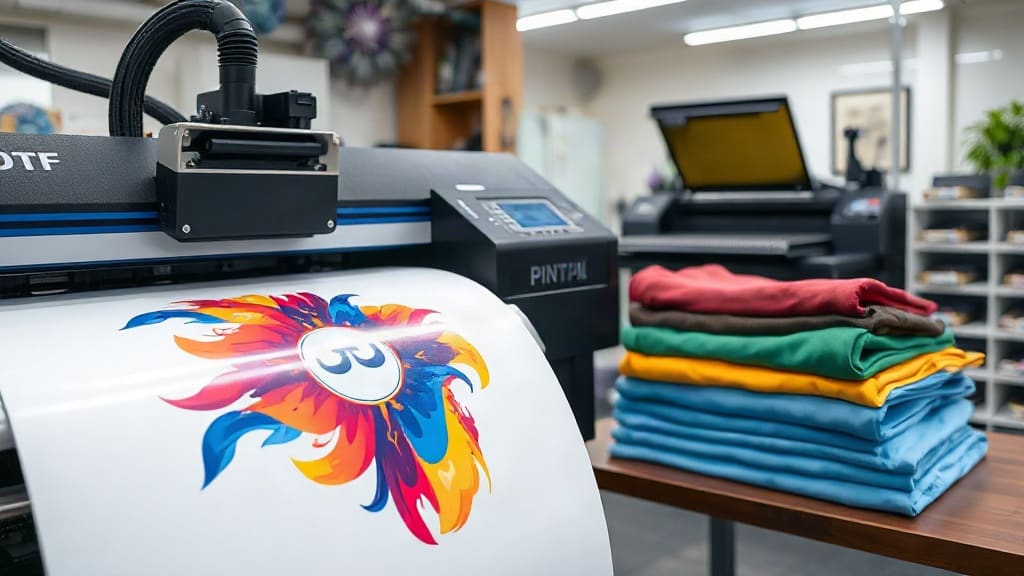
DTF, which stands for Direct to Film, is a printing method where designs are printed onto a special PET film using CMYK ink and white ink, then coated with adhesive powder. After curing, the film is placed onto a garment and heat-pressed, transferring the design. Unlike traditional screen printing, DTF works well on various fabrics including cotton, polyester, blends, and even leather. It offers vibrant colors, high detail, and durability, making it a popular choice for custom apparel.
Why Choose DTF for Your Apparel Needs?
DTF has several advantages. It requires no screen setup, making it perfect for small orders or one-off items. The colors are brilliant, and the prints are soft to the touch. Because the design is transferred from a film, you can achieve fine details and gradients that are difficult with other methods. Plus, DTF prints are stretchable and wash-resistant, ideal for everyday wear.
How to Find DTF Transfer Services Near You
When you search for DTF transfers near me, you'll likely get a list of local print shops. But not all are created equal. Here's a systematic way to evaluate them:
1. Start with a Simple Search
Use search engines and map apps. Look for businesses that specifically mention DTF, not just general printing. Check their websites for examples of their work and their pricing structure. If you have local business directories or community forums, those can be goldmines for real user experiences.
2. Look for Customer Reviews and Portfolios
Read reviews on Google, Yelp, or social media. Pay attention to comments about print quality, turnaround time, and customer service. A company with a strong portfolio of DTF prints will showcase them clearly. Look for close-up shots to see the detail and color accuracy.
3. Ask for Samples
Don't hesitate to request a sample before ordering in bulk. A reputable provider will often sell sample packs or offer a single transfer at a reasonable price. This gives you a chance to feel the texture, test wash durability, and see if the colors match your expectations.
4. Compare Pricing and Turnaround
While price is important, it shouldn't be the only factor. Very low prices might indicate low-quality materials or rushed production. Ask about their turnaround time, especially during peak seasons. A reliable shop will give you a clear timeline and stick to it.
5. Evaluate Their Equipment and Materials
If you can visit the shop, do so. A professional operation will have commercial-grade printers, heat presses, and use premium films and powders. You can ask what brand of film and powder they use, and whether they offer white ink underbase for dark garments. The quality of the adhesive powder matters a lot for washability.
Key Factors to Consider for High-Quality DTF Transfers
Not all DTF transfers are the same. Here are the technical details that separate mediocre prints from excellent ones:
Print Resolution and Color Management
High-resolution printing ensures sharp edges and smooth gradients. A good shop uses color profiles to match your design as closely as possible. They should also use CMYK plus white ink for proper opacity on dark fabrics.
Adhesive Powder Quality and Application
The adhesive powder is what makes the transfer stick to the fabric. It should be applied evenly, and the curing process must be precise. Too little powder leads to poor adhesion; too much makes the print stiff and prone to cracking. Ask about their powder type and application method.
Film Type and Handling
The PET film should be thick enough to handle easily but not so thick that it affects the print. Professional providers use high-quality films that release cleanly after pressing, leaving no residue.
Testing on Different Fabrics
A reputable service will test their transfers on various materials to ensure compatibility. Ask if they have experience with your specific garment type, whether it's 100% cotton, polyester, or a blend.
What to Expect from a Professional DTF Provider?
When you work with a professional, you should expect clear communication, quick proofing, and consistent results. They should guide you on file formats, resolution, and color modes. They should also provide care instructions for your customers, such as washing inside out in cold water and avoiding direct heat on the print.
DIY DTF vs. Professional Services
Some people consider purchasing their own DTF equipment. While that can be cost-effective for high-volume printing, it comes with a steep learning curve. You need to master film printing, powder application, and heat pressing. Unless you plan to print thousands of transfers monthly, using a local professional is often more practical. You save time, avoid material wastage, and get access to their expertise.
How to Get the Best Results from Your Local DTF Shop
Once you've chosen a provider, there are ways to ensure your DTF transfers turn out perfect:
Provide High-Quality Artwork
Use vector files whenever possible (AI, EPS, PDF). If you have raster images, make sure they are at least 300 DPI at the final print size. A transparent background is essential for cut-out designs.
Communicate Your Expectations
Tell them about the fabric type, color, and intended use. If you need the print to stretch (like on sportswear), mention that. They can adjust the adhesive powder and film to suit.
Order a Test Run
Before committing to a large order, order a small batch or even a single transfer. Press it yourself on the actual garment you plan to use. This validates the process and reveals any issues early.
Common Mistakes to Avoid When Ordering DTF Transfers
Even with a great provider, mistakes can happen if you're not careful. Here are some pitfalls:
- Choosing price over quality: Cheap transfers might crack or fade after a few washes.
- Ignoring fabric compatibility: DTF works on most fabrics, but some coatings or treatments can affect adhesion.
- Skipping the test print: Always test a sample to avoid wasting money on a large order that doesn't meet your standards.
- Not asking about white ink: For dark garments, white underbase is non-negotiable. Ensure the provider uses enough white ink to make colors pop.
FAQs About DTF Transfers Near Me
How long do DTF transfers last?
With proper care, DTF transfers can last for many washes. The durability depends on the quality of the materials and the pressing process. High-quality transfers can endure over 50 washes without significant fading or cracking, provided you wash them inside out in cold water and avoid using bleach.
Can I use DTF transfers on any fabric?
DTF is versatile and works on cotton, polyester, blends, nylon, and even leather. However, very stretchy fabrics like spandex may require special adhesive powder for flexibility. Always test on a small piece first to ensure adhesion and durability.
What is the difference between DTF and screen printing?
Screen printing involves creating a stencil and pushing ink through mesh onto the fabric. It's cost-effective for large runs but requires setup. DTF prints a design onto a film and transfers it, making it ideal for smaller quantities and detailed artwork. DTF also offers a softer feel and vibrant colors, though screen printing can be cheaper for bulk orders.
How much do DTF transfers cost?
The cost varies based on size, colors, quantity, and provider. Generally, a single A4-sized DTF transfer can range from $2 to $8. Prices decrease with volume. Local shops might offer bulk discounts, but remember that quality should be your primary concern.
Do I need to provide my own heat press?
No, the DTF provider usually supplies the transfers, and you apply them with a heat press. If you don't have a heat press, some shops offer pressing services as well. But if you plan to press yourself, ensure you have a quality heat press that maintains consistent temperature and pressure.
Conclusion
Finding the best DTF transfers near me requires a bit of research and a willingness to test. By understanding the technology, asking the right questions, and starting with small orders, you can build a reliable partnership with a local print shop that delivers stunning results every time. Remember, the goal is not just to find the cheapest option but to find a provider that values quality and consistency as much as you do. So take your time, order a sample, and you'll be well on your way to creating custom apparel that impresses your customers and stands up to daily wear.