
When you run a print shop, the difference between a profitable week and a stressful one often comes down to how well you manage your blank inventory. Shaka Wear has become a go-to brand for DTF printers who need reliable, affordable tees that hold up to heat and ink. But ordering in bulk introduces its own set of challenges, from sizing ratios to fabric consistency. This guide is for shop owners and production managers who want to take the guesswork out of bulk shaka wear orders and keep their DTF presses humming.
Why Bulk Ordering Shaka Wear Makes Sense for DTF Shops
If you're still buying blanks in small batches, you're likely paying more per unit and risking stockouts during busy periods. Shaka Wear offers a sweet spot: competitive pricing at volume, consistent fabric quality, and a range of styles that suit both retail and promotional work. For DTF printers, consistency is everything. A blank that varies in thickness or weave from order to order can throw off your press settings and lead to wasted transfers.
Shaka Wear's quality control is generally solid, but bulk orders still require a bit of planning. The key is to treat your blank inventory like any other production input: forecast demand, set reorder points, and inspect shipments as they arrive. When you buy in bulk, you also gain leverage to negotiate better terms with your supplier, which can improve your margins.
Using a DTF Gangsheet Builder to Plan Your Orders
Before you place a bulk order for blanks, you need to know exactly what you're printing and how many transfers you'll need. This is where a DTF Gangsheet Builder becomes invaluable. By laying out your designs on a gangsheet, you can calculate the total print area, estimate ink usage, and determine how many blanks you'll need per design. This prevents over-ordering popular sizes and under-ordering the ones that sell out first.
For example, if you're producing a run of 200 tees with three different designs, a gangsheet builder helps you nest the artwork efficiently, reducing waste. You can then map those transfers to specific blank sizes and colors, ensuring your Shaka Wear order matches your production plan. Shops that skip this step often end up with a surplus of medium tees and a shortage of larges, which ties up cash and shelf space.
Estimating Transfer Needs per Blank
Not all blanks are created equal when it comes to DTF. A standard 5.3 oz cotton tee from Shaka Wear will accept a transfer differently than a blended or heavier weight style. Use your gangsheet builder to run a small test batch on each style you plan to stock. Record the press settings, peel temperature, and wash durability. This data will inform how many transfers you need per blank and help you avoid reprints.
Choosing the Right Shaka Wear Styles for Bulk
Shaka Wear offers several lines, each with its own characteristics. The classic cotton tee is a workhorse for everyday printing, while the premium blend and heavyweight options cater to streetwear and retail clients. When ordering in bulk, it's tempting to simplify and stock just one or two styles. But your customers likely expect variety. A balanced inventory might include:
- Classic crew neck tees in core colors (black, white, navy, grey)
- Heavyweight tees for premium designs
- Long sleeves and hoodies for seasonal demand
- Ladies' cuts and youth sizes for family-oriented orders
Work with your supplier to understand minimum order quantities per style and color. Some shops find it helpful to start with a core palette and expand as demand dictates. Keep an eye on trends: if you notice a spike in requests for oversized fits, adjust your next bulk order accordingly.
Fabric Blends and DTF Compatibility
Shaka Wear's 100% cotton blanks are generally straightforward for DTF, but blends containing polyester require more attention. Polyester can affect ink adhesion and curing, so always run a test print before committing to a large batch. If you're ordering a new blend, request a sample first. Once you've dialed in your press settings, document them for your team.
Inventory Management Tips for Bulk Shaka Wear Orders
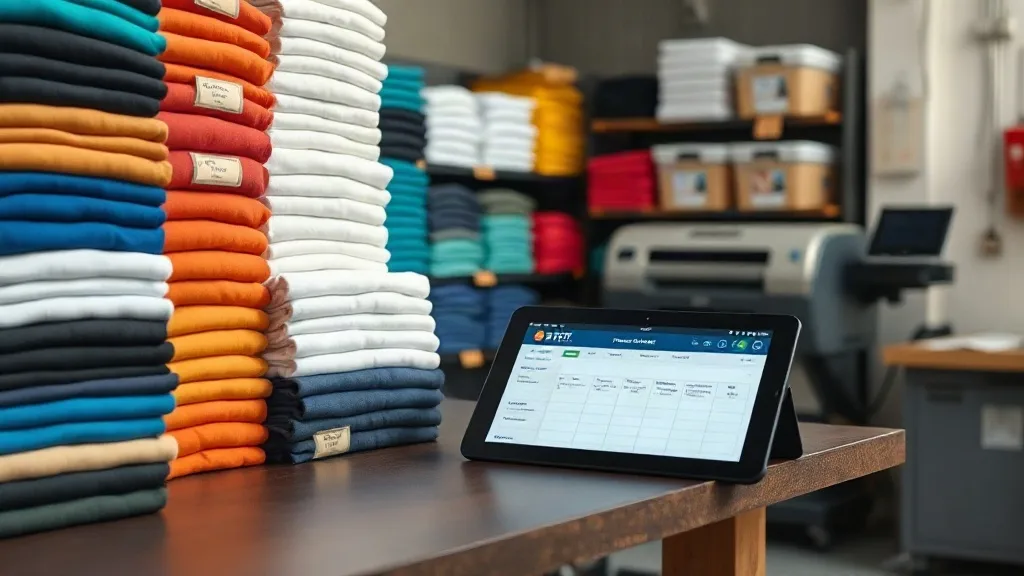
Bulk orders save money, but they also require organized storage. Designate a clean, dry area for your blanks, away from direct sunlight and humidity. Stack tees by style, color, and size, and use labels that match your gangsheet layout. A simple bin system works well: one bin per size, with color-coded tags. This makes it easy for your team to pull the right blanks quickly.
Track your inventory with a spreadsheet or a lightweight inventory app. Set reorder points based on your average weekly usage. For instance, if you go through 50 black larges per week, set a reorder point at 100 to allow for lead times. Remember that Shaka Wear's popularity means certain sizes can sell out during peak seasons, so plan ahead for Q4 and back-to-school rushes.
Avoiding Common Pitfalls in Bulk Ordering
Even experienced shops stumble when scaling up. One common mistake is ordering too many of a single color based on a past promotion. Another is neglecting to inspect shipments for defects. Always open a few boxes from each bulk order and check for consistent stitching, fabric weight, and color accuracy. If you find issues, contact your supplier immediately; most reputable distributors will work with you to resolve problems.
Also, consider the environmental impact of bulk ordering. Shaka Wear has made strides in sustainable practices, but shipping large orders still has a footprint. Consolidate shipments when possible and recycle packaging materials. Some shops partner with local organizations to donate overstock or seconds, which can also serve as a marketing opportunity.
Frequently Asked Questions
What is the minimum order quantity for Shaka Wear blanks?
Minimums vary by supplier and style. Many distributors offer discounts at 50 or 100 units per style/color combination. Check with your specific supplier for exact terms.
Can I mix sizes and colors in a bulk order?
Yes, most suppliers allow mixed orders, but you may need to meet a minimum per size or color to qualify for bulk pricing. Clarify this before ordering.
How do I ensure consistent DTF results across different Shaka Wear styles?
Test each style with your DTF printer and document the press settings. Cotton and blends behave differently, so adjust temperature, pressure, and time accordingly.
What's the best way to store bulk Shaka Wear blanks?
Keep them in a cool, dry place, stacked by size and color. Avoid plastic bags that trap moisture; use breathable covers or open bins.
How often should I reorder Shaka Wear blanks?
Base reorders on your sales velocity and supplier lead times. A good rule of thumb is to reorder when inventory drops to a two-week supply.