
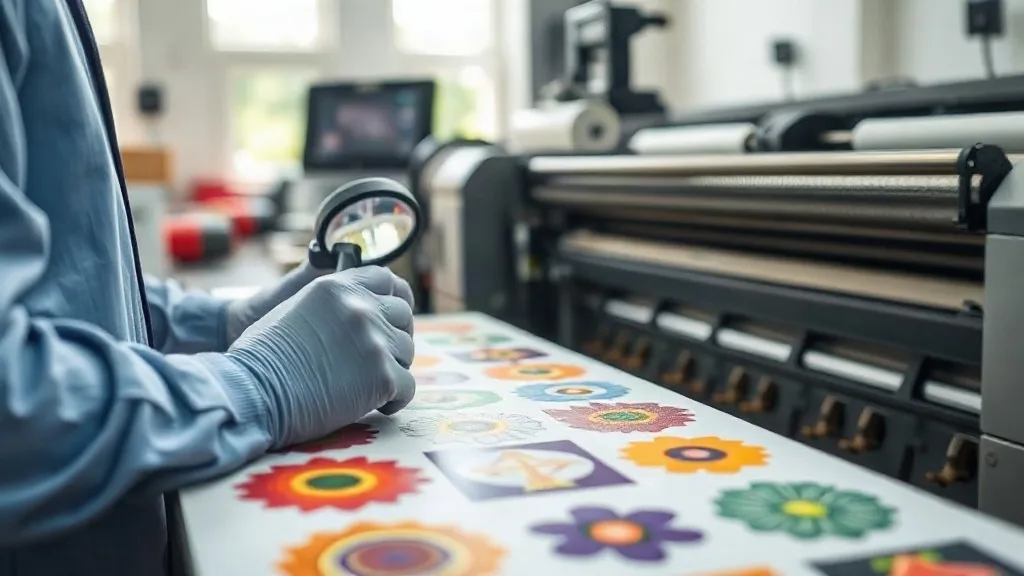
If you run a DTF printing business, you already know that a DTF Gangsheet is more than just a sheet of transfers. It's a product that can make or break your bottom line. Yet many printers struggle to price gangsheets correctly, often leaving money on the table or scaring off customers with rates that don't reflect the value. In this guide, we'll break down the economics of gangsheet pricing, show you how to calculate your costs accurately, and share strategies to position your gangsheets as a premium offering that sells.
Whether you're new to DTF or looking to refine your pricing model, this article will give you the tools to set prices that are both competitive and profitable. We'll cover cost components, market positioning, volume discounts, and common pitfalls to avoid. By the end, you'll have a clear framework to price your DTF Gangsheet offerings with confidence.
Why Gangsheet Pricing Matters More Than You Think
DTF printing has exploded in popularity because it offers vibrant colors, durability, and the ability to print on demand. But with competition growing, pricing has become a race to the bottom for many printers. The problem? Most printers focus on per-transfer pricing without considering the unique value of a gangsheet. A gangsheet isn't just a collection of transfers; it's a time-saving, cost-effective solution for customers who need multiple designs quickly.
When you price a gangsheet, you're not just selling ink and film. You're selling convenience, speed, and the ability to produce small batches without setup fees. Understanding this value proposition is key to moving away from commodity pricing and toward premium pricing.
The Anatomy of Gangsheet Costs
To price profitably, you must know your costs inside and out. Here are the main components that go into every gangsheet:
- Materials: DTF film, ink, and powder. Film quality varies, but don't skimp on cheap film that can cause jams or poor adhesion. Ink and powder costs fluctuate, so track them regularly.
- Equipment: Printer depreciation, maintenance, and utilities. Calculate a per-square-foot cost for your printer based on its lifespan and expected output.
- Labor: File preparation, printing, powdering, curing, and packaging. Even if you do it yourself, your time has value.
- Software: RIP software, design tools, and gangsheet builders. Some are subscription-based, so factor in monthly fees.
- Overhead: Rent, insurance, marketing, and other business expenses. Allocate a portion to each gangsheet.
Once you have these numbers, you can calculate your cost per gangsheet. For example, if a 22x24-inch sheet costs $3 in materials, $1 in equipment, $2 in labor, and $1 in overhead, your total cost is $7. To achieve a 50% gross margin, you'd price it at $14. But that's just the starting point.
How to Calculate Your Cost Per Square Inch
Most gangsheets are priced by size, so it's helpful to know your cost per square inch. Here's a simple formula:
- Determine the total cost of a full sheet (materials + equipment + labor + overhead).
- Calculate the area of the sheet in square inches.
- Divide the total cost by the area to get cost per square inch.
For a 22x24-inch sheet (528 square inches) with a total cost of $7, your cost per square inch is about $0.0133. This number becomes your baseline for pricing any size gangsheet.
Market Rates for DTF Gangsheets
What are competitors charging? Prices vary widely based on location, quality, and service. As of 2025, typical rates for gangsheets range from $0.02 to $0.06 per square inch, with many printers offering tiered pricing based on volume. For a 22x24-inch sheet, that translates to $10 to $30. If your costs are $7, pricing at $14 (50% margin) is competitive but leaves room for negotiation.
However, don't just match competitors. Differentiate on quality, turnaround time, and customer service. A gangsheet that prints flawlessly and ships fast is worth more than a cheap alternative that causes headaches.
Pricing Strategies for Profit
1. Tiered Pricing
Offer discounts for larger orders to encourage bigger purchases. For example, price the first sheet at $15, then $12 for each additional sheet in the same order. This increases average order value while maintaining margins.
2. Minimum Order Quantities
Set a minimum order amount to avoid tiny, unprofitable jobs. For instance, require a minimum of $30 per order. This covers your setup time and ensures each transaction is worth processing.
3. Value-Added Services
Charge extra for file prep, rush orders, or custom sizing. Many customers are happy to pay for convenience. Offer a “print-ready” file check for a small fee, or a same-day turnaround premium.
4. Bundle with Other Products
Combine gangsheets with blanks or application supplies to increase order value. For example, offer a discount when customers buy a gangsheet and a heat press together.
Common Pricing Mistakes to Avoid
Even experienced printers fall into these traps:
- Ignoring labor: Your time is money. If you spend an hour prepping files, that cost must be reflected.
- Underpricing to win jobs: Competing on price alone leads to burnout. Focus on value instead.
- Not tracking material costs: Ink and film prices change. Update your costs quarterly.
- Forgetting waste: Account for misprints and film waste in your cost calculations.
- Overcomplicating pricing: Keep it simple for customers. A clear per-square-inch rate with volume discounts works best.
How to Communicate Value to Customers
Customers often see gangsheets as a commodity, so it's your job to educate them. Explain the benefits: no minimums, vibrant colors, durable transfers, and fast turnaround. Show samples and share testimonials. When customers understand the quality difference, they're willing to pay more.
Also, be transparent about your pricing structure. A clear calculator on your website that shows the price for their sheet size builds trust and reduces friction.
Frequently Asked Questions
How do I calculate the cost of a DTF gangsheet?
Add up materials (film, ink, powder), equipment depreciation, labor, software, and overhead for the entire sheet. Then divide by the sheet's area to get cost per square inch.
What is a fair price for a DTF gangsheet?
Fair pricing depends on your costs and market. Typically, prices range from $0.02 to $0.06 per square inch. Ensure you cover costs and earn a reasonable profit margin.
Should I offer discounts for bulk orders?
Yes, volume discounts encourage larger orders and improve efficiency. Just make sure the discount still leaves you with a healthy margin.
How can I stay competitive without lowering prices?
Differentiate through quality, speed, and customer service. Offer value-added services like file prep or rush orders, and educate customers on why your gangsheets are superior.
Pricing your DTF Gangsheet offerings doesn't have to be a guessing game. With a solid understanding of your costs and a strategy that emphasizes value, you can build a profitable DTF business that customers trust.