
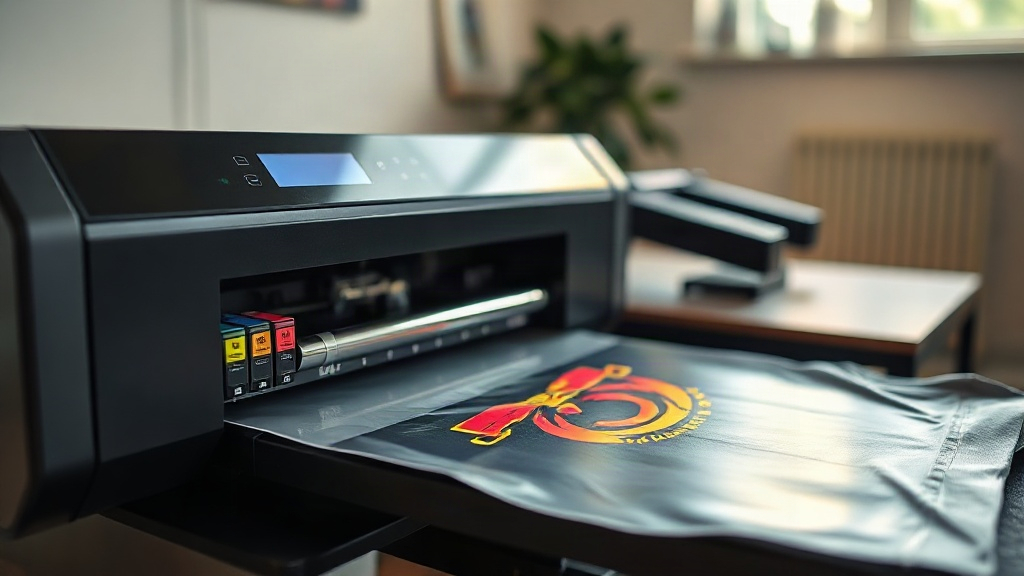
Imagine pressing a vibrant, full-color design onto a cotton t-shirt, a polyester jacket, or even a canvas tote, all with the same equipment and without worrying about fabric compatibility. That's the promise of DTF printing, a technology that has rapidly become a favorite among apparel decorators, small business owners, and DIY enthusiasts. Unlike traditional methods that require specific fabrics or complex setups, DTF (Direct to Film) printing offers a versatile, cost-effective solution for creating durable, high-resolution transfers. In this guide, we'll dive deep into the world of DTF printing, exploring how it works, its advantages, and practical tips to help you achieve professional results every time.
What Exactly Is DTF Printing?
DTF printing stands for Direct to Film. It's a digital printing process where your design is printed onto a special PET film using water-based pigments. After printing, a thermoplastic polyurethane (TPU) powder is applied to the wet ink, which acts as an adhesive. The film is then cured, and the design is ready to be heat-pressed onto a garment or fabric. The magic lies in the transfer: when heat and pressure are applied, the TPU powder melts and bonds with the fabric fibers, while the ink layer sits on top, delivering vivid colors and fine details.
This method differs from DTG (Direct to Garment) printing, which prints directly onto the fabric and often requires pre-treatment. DTF printing separates the printing and application steps, giving you more control and flexibility. It also eliminates the need for weeding or layering, as you would with vinyl. The result is a soft, stretchable transfer that can adhere to a wide range of materials, including cotton, polyester, blends, leather, and even nylon.
Why DTF Printing Stands Out
If you're in the apparel decoration business, you've likely tried heat transfer vinyl (HTV), screen printing, or DTG. Each has its strengths, but DTF printing offers a unique combination of benefits that make it a game-changer.
Works on Almost Any Fabric
One of the biggest advantages of DTF printing is its compatibility with a vast array of materials. Whether you're working with 100% cotton, 100% polyester, or a 50/50 blend, DTF transfers adhere beautifully. This is a significant departure from DTG, which struggles with polyester, and HTV, which can be tricky on nylon or leather. For businesses that offer a diverse product line, DTF printing simplifies inventory and reduces the need for multiple decoration methods.
No Weeding, No Masking
If you've spent hours weeding intricate vinyl designs, you'll appreciate the simplicity of DTF printing. The process eliminates the need for weeding because the design is printed with the adhesive already applied. You simply print, powder, cure, and press. This saves time and reduces waste, especially for complex, multi-color designs. It also means you can offer detailed artwork without worrying about the labor costs associated with traditional methods.
Vibrant Colors and Fine Details
DTF printers use CMYK plus white ink, allowing for full-color designs with gradients, photographs, and fine lines. The white ink layer acts as a base, ensuring that colors pop even on dark garments. The resolution is impressive, capturing tiny text and intricate patterns that would be difficult to achieve with screen printing or vinyl. Plus, the finish is soft and flexible, not plasticky, so the print moves with the fabric.
Cost-Effective for Short Runs
For small businesses or individuals, DTF printing is incredibly cost-effective. There's no need for screens, plates, or minimum order quantities. You can print one-off designs or small batches without breaking the bank. The consumables (film, ink, powder) are relatively inexpensive, and the equipment is more affordable than a DTG printer or a screen printing setup. This makes DTF printing an excellent entry point for entrepreneurs looking to start a custom apparel business.
How to Achieve Professional DTF Results
While DTF printing is user-friendly, getting consistent, high-quality results requires attention to detail. Here are some best practices to follow.
Start with Quality Supplies
Not all DTF films, inks, and powders are created equal. Using cheap supplies can lead to dull colors, poor adhesion, or premature fading. Invest in reputable brands that are known for consistency. The film should have a good coating that holds the ink without smudging. The ink should be vibrant and compatible with your printer. The powder should have a uniform particle size for even melting. At DTF Studio Pro, we've tested numerous products and can guide you toward the best options for your needs.
Master the Printing Settings
Your printer settings play a crucial role in the final output. You'll need to adjust the ink density, print speed, and white ink layering according to your design and fabric. For dark garments, you'll typically need a thicker white layer to ensure opacity. For light garments, a thinner white layer can reduce the hand feel. It's a balancing act: too little white and colors look washed out; too much and the transfer feels heavy. Experiment with test prints to find the sweet spot for your printer and ink combination.
Perfect Your Powdering Technique
Applying the TPU powder is a step that can make or break your transfer. The goal is to coat the wet ink evenly without clumps. You can use a automatic powder shaker or do it manually. If manual, sprinkle the powder generously over the print, then shake off the excess. The powder should stick only to the ink. Any excess powder on the film can cause a mess during pressing. After powdering, you must cure the film to melt the powder and set the ink. This is typically done in an oven or with a heat press. Follow the manufacturer's recommendations for temperature and time.
Heat Press Like a Pro
The final step is transferring the design to the garment. Heat press settings vary depending on the fabric and the transfer. As a general rule, you'll press at 300-325°F (150-160°C) for 10-15 seconds with medium pressure. Always pre-press the garment to remove moisture and wrinkles. Place the transfer on the fabric, cover with a Teflon sheet or parchment paper, and press. After pressing, peel the film while it's hot or cold, depending on the film type. Most DTF films are hot peel, but some are cold peel. Check the instructions. Finally, post-press for a few seconds to ensure the transfer is fully bonded.
Common Applications of DTF Printing
DTF printing is incredibly versatile. Here are just a few ways it's being used:
- Custom T-shirts and Apparel: Create personalized shirts for events, teams, or brands with full-color designs.
- Sportswear and Activewear: The stretchable transfer moves with the fabric, making it ideal for jerseys, leggings, and jackets.
- Denim and Jeans: Add intricate designs to denim without the stiffness of traditional methods.
- Bags and Accessories: Personalize tote bags, backpacks, and hats with vibrant logos or artwork.
- Home Decor: Print on pillow covers, blankets, and wall hangings for a custom touch.
- Promotional Products: Offer unique, high-quality giveaways that stand out.
The possibilities are nearly endless, limited only by your creativity.
Troubleshooting Common DTF Issues
Even with the best practices, you might encounter some issues. Here's how to troubleshoot them.
Colors Look Dull or Faded
This often happens when the white ink layer is insufficient or when the ink density is too low. Increase the white ink percentage in your RIP software. Also, ensure that your printer is using the correct color profile for DTF printing. Sometimes, the issue is with the film: some films have a coating that doesn't hold ink well. Try a different brand.
Transfer Peels Off After Washing
Poor adhesion can result from insufficient pressure, incorrect temperature, or not enough powder. Make sure your heat press is calibrated. Use a pressure of 4-6 bars (medium to firm). Also, verify that the powder is fully melted during curing. If the powder isn't melted, it won't bond properly. Finally, wait 24 hours before washing the garment, and wash inside out in cold water.
Film Jams in Printer
Film jams can be caused by static, incorrect film thickness, or printer settings. Ensure your printer supports the film thickness you're using. Some printers need a special film guide. Also, keep your environment humidified to reduce static. If jams persist, try a different film brand or adjust the platen gap.
Frequently Asked Questions About DTF Printing
What fabrics can I use with DTF transfers?
DTF transfers work on a wide range of fabrics, including cotton, polyester, blends, leather, nylon, and even some treated woods. They are particularly popular for polyester because they don't require the same dye-migration precautions as DTG. However, for stretchy fabrics, ensure the transfer is stretched slightly before pressing to avoid cracking.
How durable are DTF prints?
When applied correctly, DTF prints are highly durable. They can withstand dozens of washes without fading or peeling. The key is proper curing and pressing. We recommend washing the garment inside out in cold water and tumble drying on low. Avoid ironing directly on the print.
Do I need a special printer for DTF printing?
You can convert many desktop inkjet printers to DTF with a DTF ink system and RIP software. However, for consistent results, dedicated DTF printers are recommended. They are designed to handle the white ink circulation and film feeding more reliably. If you're just starting, a converted printer can be a budget-friendly option.
Can I layer DTF transfers?
Yes, you can layer DTF transfers, but it's not as straightforward as with vinyl. You'll need to press the first transfer, then the second on top, ensuring proper alignment. However, layering can make the print feel thick. For complex multi-color designs, it's better to print the entire design as one transfer.
What is the cost per print for DTF?
The cost per print depends on the size of the design and the supplies used. On average, a letter-sized (8.5x11) DTF transfer costs around $1-$2 in consumables. This includes film, ink, and powder. With a heat press and printer, you can produce transfers at a fraction of the cost of outsourcing. For exact pricing, consider the yield of your ink cartridges and film rolls.
Whether you're a seasoned decorator or just starting, DTF printing opens up a world of possibilities. With its versatility, vibrant results, and cost-effectiveness, it's no wonder that DTF is taking the apparel industry by storm. At DTF Studio Pro, we're committed to helping you succeed with DTF printing. Explore our resources and supplies to take your projects to the next level.