
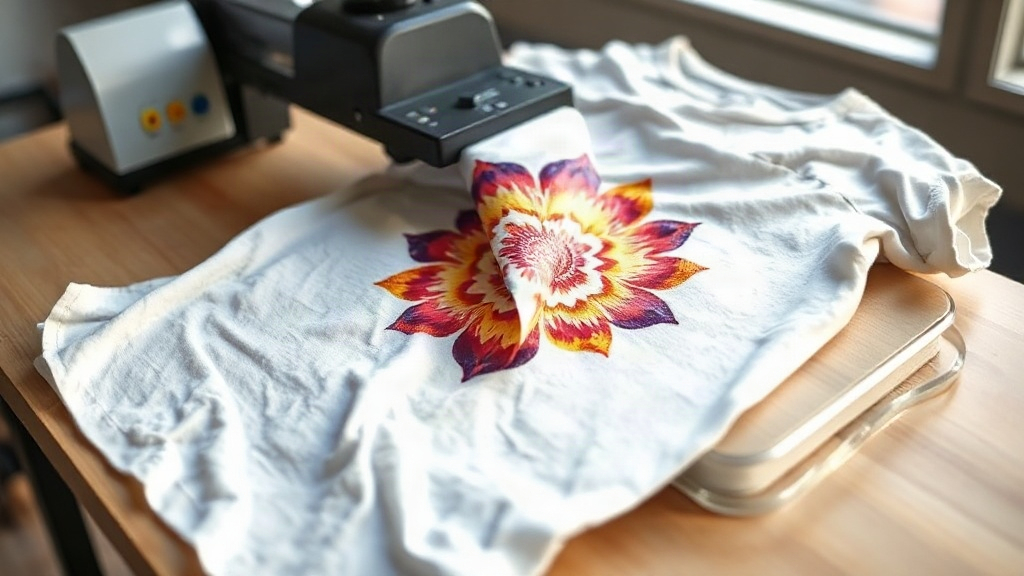
Imagine pressing a button and watching a full-color design come to life on a t-shirt, hoodie, or tote bag in minutes. That's the magic of DTF transfers. Unlike traditional screen printing or vinyl, DTF (Direct to Film) transfers offer unmatched versatility, allowing you to print intricate designs on almost any fabric without sacrificing quality. Whether you're a small business owner, a crafting enthusiast, or just curious about the latest in garment decoration, this guide will walk you through everything you need to know about DTF transfers. From the science behind the process to practical application tips, we've got you covered. Let's dive in and explore why DTF transfers are quickly becoming the go-to solution for custom apparel.
What Are DTF Transfers?
DTF transfers are a type of heat-applied graphic produced by printing a design onto a special film using pigment-based inks, then coating it with a hot-melt adhesive powder. Once the powder is cured, the transfer is ready to be applied to fabric using a heat press. The result is a soft, stretchable, and durable print that bonds permanently to the material. Unlike DTG (Direct to Garment) printing, which requires pre-treatment and works best on cotton, DTF transfers can adhere to a wide range of fabrics including polyester, blends, and even nylon. This flexibility makes them a favorite among apparel decorators who want consistent results across different garment types.
How DTF Transfers Work: Step by Step
Understanding the DTF process helps you appreciate the craftsmanship behind each transfer. Here's a breakdown of the key steps:
- Design Preparation: Your artwork is prepared digitally, ensuring colors are vibrant and details are crisp. The design is then printed onto a PET film using a DTF printer with CMYK and white inks.
- Powder Application: While the ink is still wet, a thermoplastic powder is sprinkled over the print. The powder sticks to the ink and is then shaken off, leaving a thin layer on the design.
- Curing: The film passes through a curing oven or under a heat source to melt the powder, creating a adhesive layer that will bond to fabric.
- Transfer: The cured film is placed on the garment and pressed with a heat press at specific temperature, pressure, and time. After pressing, the film is peeled away (hot or cold peel depending on the film), leaving the design behind.
Each step is crucial for a flawless finish. Skipping or rushing any stage can lead to poor adhesion, dull colors, or a stiff feel. That's why many professionals prefer to buy pre-made DTF transfers from reputable suppliers like DTF Studio Pro, where quality control is paramount.
Why Choose DTF Transfers Over Other Methods?
With so many decoration options available, you might wonder what sets DTF apart. Let's compare:
- Versatility: DTF transfers work on cotton, polyester, blends, leather, and more. Screen printing and DTG are limited to certain fabrics.
- Color Vibrancy: DTF uses white ink as a base, so colors pop even on dark garments. No need for separate white underbase like in screen printing.
- Detail and Gradients: DTF excels at photographic images, fine lines, and gradients. Vinyl and screen printing struggle with these.
- Durability: When applied correctly, DTF prints resist cracking, peeling, and fading. They outlast many other methods after repeated washes.
- Cost-Effective for Short Runs: No setup fees or minimums. Perfect for small batches or one-offs.
For a deeper dive into the technical differences, check out our comparison guide.
Applications of DTF Transfers
DTF transfers aren't just for t-shirts. Their adaptability opens up a world of possibilities:
- Apparel: T-shirts, hoodies, polos, jackets, and even activewear.
- Accessories: Tote bags, hats, aprons, and backpacks.
- Home Decor: Pillows, blankets, and upholstery.
- Promotional Items: Corporate giveaways, event merchandise, and team uniforms.
Because DTF transfers can be applied to so many surfaces, they're a staple for businesses looking to offer diverse products without investing in multiple machines.
How to Apply DTF Transfers: Best Practices
Getting a professional finish requires attention to detail. Follow these guidelines for optimal results:
1. Choose the Right Fabric
While DTF works on many fabrics, some require special care. For stretchy fabrics like spandex, use a stretchable DTF film. For heat-sensitive materials, lower the temperature and increase pressing time.
2. Preheat the Garment
Pre-pressing removes moisture and wrinkles, ensuring better adhesion. Set your heat press to the recommended temperature (usually 300-350°F) and press for 5-10 seconds.
3. Position and Press
Place the transfer with the design facing up. Use medium to firm pressure (40-60 PSI) and press for 10-15 seconds. Consult your transfer supplier's instructions for exact settings.
4. Peel and Post-Press
Peel the film either hot or cold as specified. For extra durability, cover with a Teflon sheet and press again for 5-10 seconds.
Always test on a scrap piece first to dial in your settings. With practice, you'll achieve consistent, vibrant results every time.
Common Mistakes to Avoid with DTF Transfers
Even seasoned pros make mistakes. Here are pitfalls to watch out for:
- Insufficient Pressure: Leads to poor adhesion and early peeling.
- Wrong Temperature: Too hot can scorch the fabric or melt the film; too cold means the adhesive won't activate.
- Ignoring Fabric Type: Not all fabrics tolerate high heat. Always check compatibility.
- Skipping Post-Press: A final press enhances wash durability.
- Using Low-Quality Transfers: Cheap transfers may have inconsistent powder coating, leading to failures. Invest in quality from trusted sources.
By avoiding these common errors, you'll save time, money, and frustration.
DTF Transfers vs. Other Printing Methods: A Quick Comparison
Let's stack DTF against the competition:
- DTF vs. Screen Printing: Screen printing is cost-effective for large orders but requires setup and works best on flat fabrics. DTF wins for detailed designs and small runs.
- DTF vs. DTG: DTG is great for 100% cotton but needs pre-treatment and can fade. DTF works on more fabrics and offers better durability.
- DTF vs. Vinyl: Vinyl is limited to simple shapes and solid colors. DTF handles complex images with gradients.
- DTF vs. Sublimation: Sublimation only works on light polyester. DTF applies to dark cotton and blends.
For a detailed breakdown, see our article on choosing the right printing method.
Frequently Asked Questions About DTF Transfers
How long do DTF transfers last?
With proper application and care, DTF transfers can last 50+ washes without significant fading or cracking. Always wash inside out in cold water and avoid harsh detergents.
Can I apply DTF transfers to 100% polyester?
Yes, DTF transfers adhere well to polyester. However, polyester is heat-sensitive, so use a lower temperature (around 280-300°F) and press for a shorter time to avoid scorching.
Do I need a special printer for DTF transfers?
Yes, DTF requires a dedicated DTF printer with white ink capabilities and a powder shaker. Alternatively, you can purchase pre-made transfers from suppliers.
What's the difference between hot peel and cold peel DTF film?
Hot peel film allows you to remove the film immediately after pressing while it's still hot, saving time. Cold peel requires the transfer to cool completely before peeling, often resulting in a smoother finish.
Can I layer DTF transfers?
Yes, you can layer DTF transfers for multi-color designs. Press the first layer, then apply the second on top, ensuring proper alignment. Use a heat press for each layer.
Final Thoughts
DTF transfers have revolutionized the custom apparel industry by combining versatility, durability, and vibrant colors in a single solution. Whether you're a hobbyist or a business owner, mastering DTF transfers can open up new creative and revenue opportunities. Remember to source high-quality transfers, follow application best practices, and avoid common mistakes. With a little practice, you'll be producing professional-grade apparel that delights customers and stands the test of time. Ready to get started? Explore our range of DTF transfers and supplies at DTF Studio Pro today.