
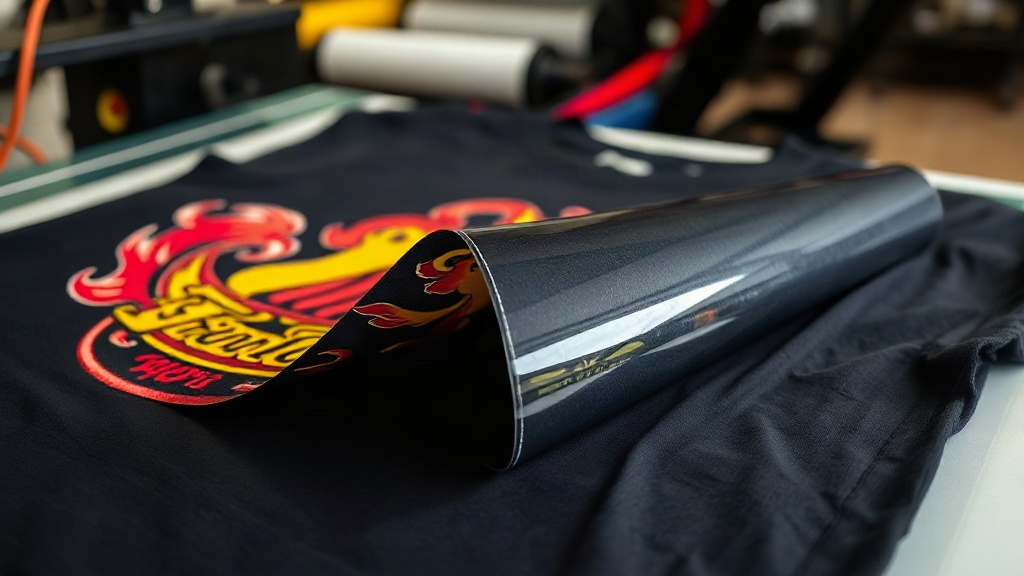
If you've been exploring custom apparel printing, you've likely encountered DTF Transfers. This technology has rapidly gained traction among hobbyists and professionals alike for its versatility and vibrant results. Unlike traditional methods that require specific fabrics, DTF transfers adhere to almost any material, opening up a world of possibilities for your designs. In this guide, we'll walk you through what DTF transfers are, how they work, and how you can achieve flawless prints every time.
What Are DTF Transfers?
DTF stands for Direct to Film. It's a printing process where your design is printed onto a special film, coated with a powder adhesive, and then heat-pressed onto your fabric. The result is a durable, stretchable print that feels soft to the touch. Unlike DTG (Direct to Garment) or screen printing, DTF doesn't require pre-treatment or specific fabric blends. You can apply DTF Transfers to cotton, polyester, blends, and even leather or canvas. This makes it a go-to choice for small businesses and crafters who want to offer a wide range of products without investing in multiple printing setups.
Why Choose DTF Transfers?
There are several compelling reasons to consider DTF for your next project. First, the color vibrancy is outstanding. The prints are opaque and can reproduce intricate details and gradients with ease. Second, the process is cost-effective for short runs. You don't need screens or plates, so you can print one-off designs or small batches without breaking the bank. Third, the durability is impressive. When applied correctly, DTF prints withstand repeated washing without fading or cracking. Finally, the flexibility of fabrics you can use is unmatched. Whether you're working with a 100% cotton t-shirt or a polyester jacket, DTF transfers will adhere beautifully.
How DTF Transfers Work: Step by Step
Understanding the process helps you troubleshoot and perfect your technique. Here's a breakdown of the key steps:
- Design Preparation: Create your artwork in a graphics program. Remember to mirror the image if your design has text, as the film will be flipped during transfer.
- Printing: Your design is printed onto a PET film using specialized DTF inks (usually CMYK plus white). The white ink acts as a base to make colors pop on dark fabrics.
- Powdering: While the ink is still wet, a hot-melt adhesive powder is applied evenly over the print. Excess powder is shaken off.
- Curing: The film goes through a heat source (like a heat press or oven) to melt the powder, creating a dry, tack-free surface.
- Transfer: The film is placed on the fabric and pressed with a heat press. The adhesive melts, bonding the print to the fabric. After cooling, the film is peeled away, leaving the design behind.
Choosing the Right Equipment
To get started with DTF, you'll need a few essentials. A quality DTF printer is the core investment. Look for models that support white ink and have a reliable printhead system. You'll also need a heat press capable of reaching 325°F (160°C) and applying consistent pressure. A powder shaker machine can automate the powdering step, but you can also do it manually with a powder applicator and a curing oven. Don't forget the PET film and DTF ink and powder. While the upfront cost might seem high, the versatility and low cost per print quickly pay off.
Tips for Flawless DTF Transfers
Even with the right equipment, small mistakes can ruin a print. Here are some expert tips to ensure success:
- Control Moisture: Fabric moisture can cause adhesion issues. Pre-press your garment for a few seconds to remove wrinkles and moisture before transferring.
- Even Powder Application: Too much powder leads to a rough feel; too little causes poor adhesion. Aim for a light, even coating.
- Proper Curing: Under-cured powder will wash off, while over-curing can make the transfer brittle. Follow the manufacturer's temperature and time recommendations.
- Pressure Matters: Insufficient pressure results in incomplete transfer. Use medium to high pressure and ensure your heat press is calibrated.
- Peel Technique: Always peel the film after it has cooled completely (cold peel) for best results. Warm peeling can distort the design.
Common Mistakes to Avoid
Newcomers often run into a few common pitfalls. One is forgetting to mirror the image, resulting in backward text. Another is not pre-pressing the garment, which can lead to uneven transfer. Using the wrong powder or ink can also cause failures. Always use quality supplies designed for DTF. Lastly, don't rush the cooling process. Patience is key for a clean peel.
Applications of DTF Transfers
The uses for DTF are virtually limitless. You can create custom t-shirts, hoodies, tote bags, hats, and even shoes. It's perfect for personalizing gifts, team uniforms, or starting a clothing line. Because DTF works on so many materials, you can experiment with denim jackets, canvas sneakers, and more. The ability to print full-color designs without color limitations makes it ideal for photographic images and complex artwork.
Frequently Asked Questions
How long do DTF transfers last?
When applied correctly, DTF transfers can last as long as the garment itself. They withstand dozens of washes without significant fading or cracking. Following proper care instructions, like washing inside out in cold water and avoiding bleach, will extend their life.
Can I use DTF transfers on dark colors?
Absolutely. DTF transfers include a white ink base that allows vibrant colors to show up on dark fabrics. This is one of the main advantages over other methods like sublimation, which requires light-colored polyester.
Do I need a special printer for DTF?
Yes, you need a DTF printer that uses DTF inks and supports white ink. Converted inkjet printers or dedicated DTF printers are available. They are different from standard desktop printers.
What is the difference between DTF and DTG?
DTG (Direct to Garment) prints directly onto the fabric and works best on 100% cotton. DTF prints onto a film first, then transfers to the fabric, and works on a wider range of materials including polyester and blends. DTF also typically has more vibrant colors on dark garments.
How do I care for DTF-printed garments?
Turn the garment inside out and machine wash cold. Avoid using fabric softener and bleach. Tumble dry low or hang dry. If ironing, do not iron directly on the print; use a cloth or iron inside out.
With this guide, you're ready to dive into the world of DTF Transfers. Whether you're a hobbyist or a business owner, mastering this technique can elevate your custom apparel game. Remember to practice, use quality supplies, and follow the steps carefully. Happy printing!