
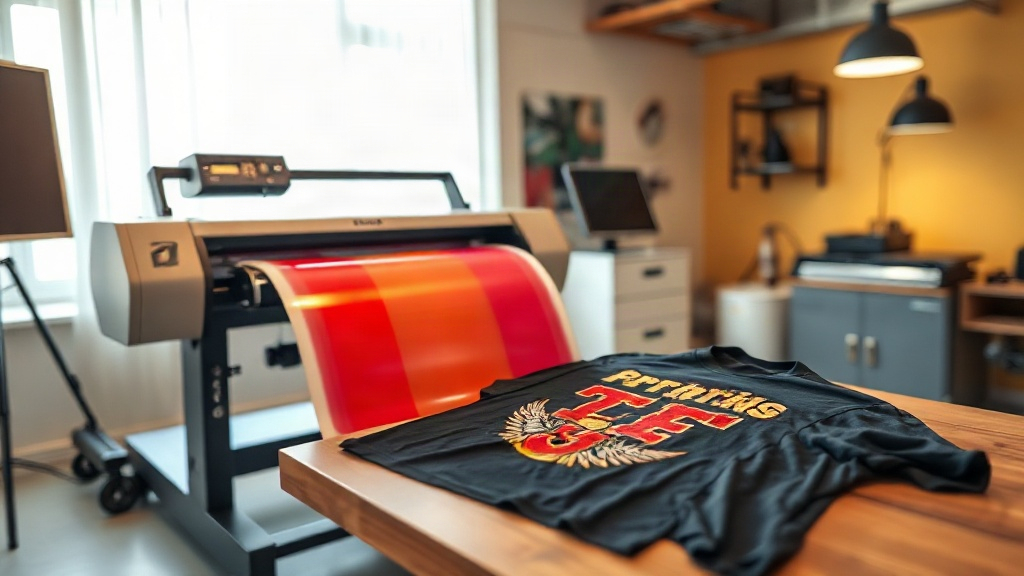
If you've been exploring custom apparel decoration, you've likely encountered DTF printing. It stands for Direct to Film, and it's quickly becoming a favorite among small business owners, hobbyists, and even large-scale producers. Unlike other methods, DTF lets you print full-color designs onto a special film, then transfer them to fabric with a heat press. The result? Vibrant, durable prints on almost any material, including cotton, polyester, and blends. But before you dive in, there are essential details to understand. This guide will walk you through the process, the equipment, the costs, and the insider tips that separate a smooth workflow from a frustrating mess.
What Exactly Is DTF Printing?
DTF printing is a digital printing technique where your design is printed onto a PET film using specialized inks. A powder adhesive is applied to the wet ink, then cured. The resulting transfer can be stored and later applied to a garment with a heat press. The magic lies in the adhesive: it bonds the ink to the fabric, creating a stretchable, crack-resistant print. Unlike DTG (Direct to Garment), DTF doesn't require pre-treatment, and it works on dark and light fabrics alike. Unlike vinyl, it handles complex, multi-color designs without weeding. That versatility is why DTF has exploded in popularity.
How Does the DTF Process Work?
Understanding the steps helps you troubleshoot and optimize. Here's the typical workflow:
- Design Preparation: Create your artwork in a graphics program. Ensure it's mirrored (unless your printer software does it automatically) and sized appropriately. Remember that DTF prints are typically applied at 320-350°F, so fine details may spread slightly.
- Printing: Load the PET film into your printer. The printer lays down a layer of white ink (for opacity) followed by CMYK colors. Some printers have separate channels for white and color.
- Powdering: While the ink is still wet, apply hot-melt adhesive powder evenly over the print. Shake off excess.
- Curing: Place the film in a curing oven or under a heat gun until the powder melts and becomes glossy. This step is critical for wash durability.
- Transfer: Set your heat press to the recommended temperature and pressure. Press the film onto the garment for 10-15 seconds, then peel the film off (hot or cold peel depending on the film type).
What Equipment and Supplies Do You Need?
Starting with DTF requires an upfront investment, but it's more accessible than ever. Here's a breakdown:
- DTF Printer: Dedicated DTF printers start around $3,000 and can go up to $20,000 for industrial models. Some people convert Epson or Ricoh printers, but dedicated machines are more reliable.
- Inks: DTF inks are pigment-based and must be compatible with your printer. They come in CMYK plus white.
- PET Film: Available in rolls or sheets. Double-sided matte film is common; it helps with powder adhesion.
- Adhesive Powder: Thermoplastic polyurethane (TPU) powder is standard. It comes in fine or coarse grades.
- Curing Oven or Heat Gun: A dedicated oven provides even curing, but a heat gun can work for small batches.
- Heat Press: A quality press with consistent temperature and pressure is essential. You'll need one that reaches at least 350°F.
- Design Software: Adobe Illustrator, CorelDRAW, or even free tools like Inkscape.
Advantages of DTF Printing
Why choose DTF over other decoration methods? Several compelling reasons:
- No Weeding or Cutting: Unlike vinyl, you don't need to cut around intricate shapes.
- Works on Many Fabrics: Cotton, polyester, blends, canvas, denim, and even leather. No pre-treatment needed.
- Vibrant Colors: The white ink base makes colors pop on dark garments.
- Stretchable and Durable: Properly applied, DTF prints withstand dozens of washes without cracking.
- Cost-Effective for Short Runs: No minimums, so you can print one-offs or small batches profitably.
Common Challenges and How to Overcome Them
Like any craft, DTF has a learning curve. Here are frequent issues and solutions:
1. Clogged Printheads
DTF inks are thicker than standard inks, so clogs happen. Solution: Print daily or use a maintenance routine. Keep the printhead clean and perform nozzle checks regularly.
2. Poor Adhesion After Washing
This usually stems from under-curing the powder or incorrect press settings. Ensure the powder is fully melted (look for a glossy finish) and press at the right temperature and pressure. Also, verify the fabric is clean and dry.
3. Dull Colors
If your prints look washed out, you might not be using enough white ink or the powder is too coarse. Adjust your printer's white ink density and try a finer powder. Also, ensure your film is the correct side up.
4. Film Sticking to the Press
Use a protective sheet or parchment paper between the film and the heat press. Also, check that your press is not too hot; excessive heat can cause the film to curl or stick.
DTF vs. Other Printing Methods
How does DTF stack up against DTG, screen printing, and vinyl?
- DTG: Best for 100% cotton, but requires pre-treatment and can be less vibrant on dark colors. DTF wins on versatility.
- Screen Printing: Cost-effective for large runs, but setup is time-consuming and expensive for multi-color designs. DTF excels for small batches and complex art.
- Vinyl: Great for simple text and shapes, but weeding is tedious. DTF handles intricate details effortlessly.
Tips for Success with DTF Printing
After countless hours of trial and error, here are some hard-earned lessons:
- Start with Quality Supplies: Cheap film or powder can ruin your results. Invest in reputable brands.
- Master Your Heat Press: Use a laser thermometer to verify temperature. Pressure matters too; too little and the print peels, too much and it spreads.
- Test, Test, Test: Before a big order, run a sample on the same fabric type. Wash it a few times to check durability.
- Store Transfers Properly: Keep unused transfers in a cool, dry place away from direct sunlight. They can last months if stored correctly.
- Join Communities: Online forums and social media groups are goldmines for troubleshooting and inspiration.
Frequently Asked Questions About DTF Printing
How long do DTF prints last?
With proper application and care, DTF prints can last 50+ washes. Always wash inside out in cold water and avoid harsh detergents.
Can I use DTF on 100% polyester?
Yes, DTF works on polyester, but you may need to lower the press temperature slightly to avoid scorching. Test first.
Do I need a special printer for DTF?
You can convert some inkjet printers, but dedicated DTF printers are recommended for reliability and warranty. They handle the white ink and powder process seamlessly.
Is DTF printing profitable for small businesses?
Absolutely. With low minimums and the ability to print on demand, DTF offers high margins. Many entrepreneurs start with a single printer and scale up.
What's the difference between DTF and DTG?
DTF uses a film transfer, while DTG prints directly onto the garment. DTF is more versatile across fabrics and doesn't require pre-treatment, but DTG can be softer on the hand for 100% cotton.
Embracing DTF printing can open up a world of creative and business opportunities. Whether you're adding custom tees to your shop or launching a full-scale apparel line, the technology is accessible and rewarding. Remember, the key to success lies in understanding the process, investing in good equipment, and practicing until you perfect your technique. So go ahead, order that printer, and start bringing your designs to life on fabric.