If you run a small print shop or an online custom apparel store, you already know that efficiency is everything. Juggling multiple orders, tight deadlines, and the constant pressure to keep costs low can feel like a never-ending balancing act. That's where DTF Gangsheet comes in. This game-changing approach to direct-to-film printing lets you group multiple designs into a single film sheet, slashing material waste and labor time while delivering professional-quality results on almost any fabric.
What Exactly Is a DTF Gangsheet?
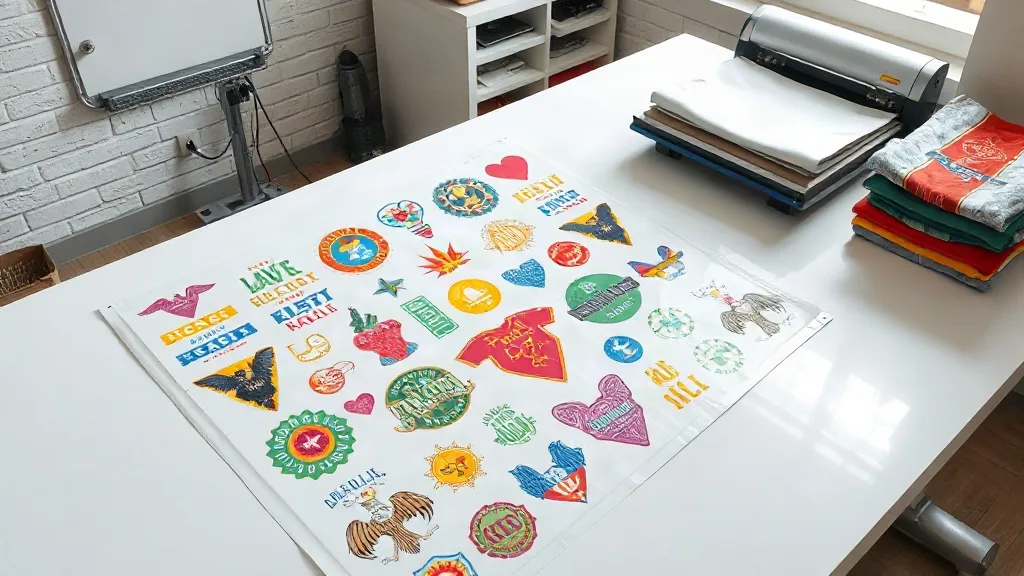
In simple terms, a DTF gangsheet is a large film sheet that holds several printed designs, arranged to maximize space. Instead of printing each design individually, you gang them up, hence the name. Once printed, the sheet is powdered with hot-melt adhesive, cured, and then pressed onto garments. The beauty of this method is that you can mix different sizes, colors, and even garment types in one batch, dramatically improving throughput without sacrificing quality.
How DTF Gangsheets Differ from Traditional DTF
Traditional DTF printing typically involves printing one design at a time, which is fine for small runs but inefficient for volume. Gangsheets take the same technology and add a layer of smart planning. By consolidating multiple jobs onto a single sheet, you reduce setup time, film waste, and powder consumption. Plus, you can nest designs to use every inch of the film, which is a big win for your bottom line.
Why Your Print Shop Needs DTF Gangsheets
Whether you're a one-person operation or a growing enterprise, the benefits of adopting DTF gangsheets are hard to ignore. Here are the key advantages that make this technique a must-have in today's competitive market.
Cost Savings That Add Up Fast
Material costs are a major expense in any printing business. With gangsheets, you use less film, less powder, and less ink per design because you're optimizing every square inch. Over hundreds of prints, those savings multiply. Additionally, reduced labor time means you can take on more orders without hiring extra staff, directly boosting your profit margin.
Unmatched Versatility for Custom Orders
Customers today want variety. They order different sizes, colors, and fabrics, often in small quantities. DTF gangsheets handle this with ease. You can print a mix of designs on one sheet, then press them onto cotton, polyester, blends, and even treated nylon. This flexibility lets you say yes to more jobs, from sports team jerseys to corporate event shirts, all without switching equipment or processes.
Speed and Efficiency for Tight Turnarounds
When a customer needs 50 shirts by Friday, every minute counts. Gangsheets streamline the workflow: print one sheet with all 50 designs, powder and cure once, then press each garment. This batch processing cuts production time by up to 40% compared to printing individually. Faster turnaround means happier customers and more repeat business.
How to Create and Use DTF Gangsheets Effectively
Getting started with gangsheets is straightforward, but a few best practices can make a big difference in quality and efficiency. Follow these steps to optimize your process.
Step 1: Design and Layout
Use design software to arrange your designs on a template that matches your film size. Nest them tightly, leaving a small gap (about 0.25 inches) between designs to avoid color bleeding. Consider the grain of the film and place larger designs first, then fill gaps with smaller ones. Most RIP software includes gangsheet tools, or you can use dedicated layout apps.
Step 2: Printing and Powdering
Print the gangsheet on your DTF printer using the correct settings for your film. Immediately after printing, apply hot-melt powder evenly. Shake off excess and cure under a heat source until the powder melts and forms a smooth, glossy layer. This step is critical for durability and washability.
Step 3: Pressing onto Garments
Cut out each design from the sheet, leaving a small border. Preheat your heat press to the recommended temperature (usually 300-320°F). Press the design onto the garment with firm pressure for 10-15 seconds, then peel the film while hot or cold, depending on the film type. Always follow the manufacturer's instructions for the best results.
Common Mistakes to Avoid with DTF Gangsheets
Even experienced printers can run into issues. Watch out for these pitfalls to keep your production running smoothly.
- Overcrowding the sheet: Leaving too little space between designs can cause ink smearing or powder contamination. Stick to the recommended gap.
- Inconsistent powder application: Too much powder leads to a stiff feel; too little causes poor adhesion. Use a powder shaker for even coverage.
- Ignoring film specifications: Different films have different curing and pressing requirements. Always test a small batch first.
- Skipping quality checks: Inspect each design after pressing for flaws. Catching issues early saves time and materials.
Maximizing Your DTF Gangsheet Workflow
To truly reap the benefits, integrate gangsheets into a lean workflow. Consider these tips:
- Batch similar jobs: Group orders by fabric type or color to minimize press changes.
- Use automation: Invest in software that automates nesting and layout, reducing manual errors.
- Track material usage: Keep a log of film and powder consumption to identify areas for further savings.
- Train your team: Ensure everyone follows the same procedures for consistent results.
By fine-tuning your process, you'll see faster turnaround times, lower costs, and happier customers.
Frequently Asked Questions About DTF Gangsheets
Can I use DTF gangsheets for small orders?
Absolutely. While gangsheets are ideal for volume, you can combine multiple small orders onto one sheet to save time and materials. Even a single order with several designs benefits from ganging.
What fabrics work best with DTF gangsheets?
DTF transfers adhere well to cotton, polyester, blends, and many synthetics. They work on light and dark colors alike, making them incredibly versatile for custom apparel.
How do I store unused gangsheets?
Keep printed gangsheets in a cool, dry place away from direct sunlight. Once powdered and cured, they can be stored for several weeks before pressing. Avoid folding them sharply to prevent cracks in the transfer.
Is DTF gangsheet printing cost-effective for a home business?
Yes, especially if you optimize layouts and batch orders. The savings in film and powder quickly offset the initial investment in a DTF printer and heat press.
What is the maximum size for a DTF gangsheet?
It depends on your printer's capabilities. Common widths are 13, 17, and 24 inches, with lengths limited only by your film roll. Check your printer's specs for exact limits.
Embracing DTF gangsheets is a smart move for any apparel decorator looking to scale up without sacrificing quality. With careful planning and a bit of practice, you'll wonder how you ever managed without them.