
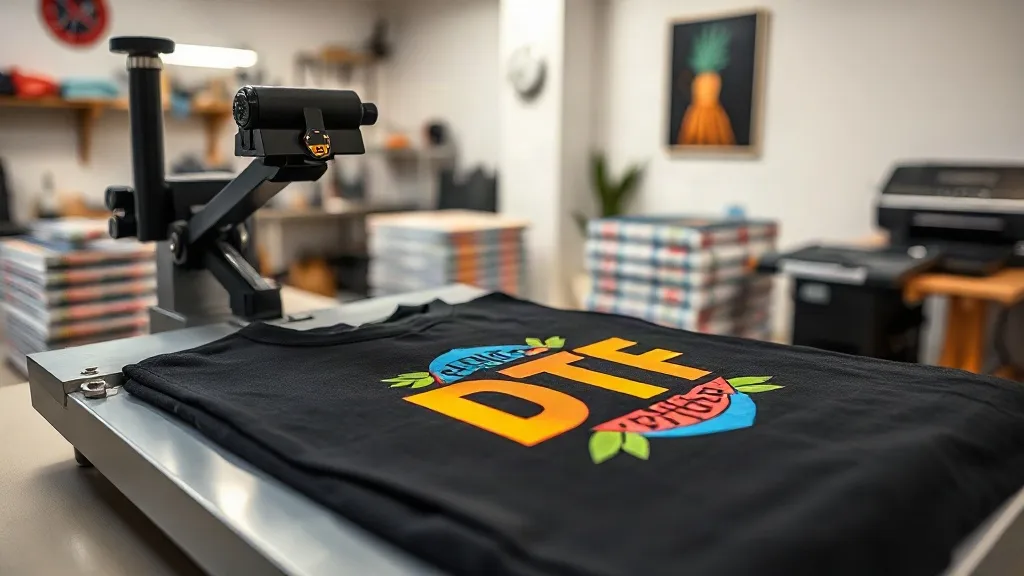
Custom apparel has never been more accessible, thanks to dtf transfers. Whether you're a small business owner looking to add personalized products or a hobbyist wanting to create unique gifts, DTF (Direct to Film) printing offers a versatile and cost-effective solution. In this guide, we'll walk you through everything you need to know about DTF transfers, from the basics to advanced tips, so you can achieve professional results at home or in your shop.
What Are DTF Transfers?
DTF stands for Direct to Film. It's a printing method where your design is printed onto a special film, then coated with a powder adhesive and heat-pressed onto fabric. Unlike DTG (Direct to Garment) printing, which requires specialized equipment and is typically limited to cotton, dtf transfers work on a wide range of materials, including polyester, blends, and even dark fabrics. This flexibility makes DTF a favorite among crafters and small businesses.
The DTF Printing Process
The process involves several steps: designing your artwork, printing it onto PET film with specialized inks, applying a hot-melt powder while the ink is still wet, and then curing the powder. Once prepared, the transfer can be stored for later use or immediately applied to a garment using a heat press. The result is a vibrant, durable print that withstands repeated washing.
Why Choose DTF Transfers?
There are several reasons why DTF transfers have gained popularity:
- Versatility: Works on almost any fabric, including cotton, polyester, blends, and even leather.
- Durability: Prints resist cracking, fading, and peeling, even after many washes.
- No Pre-Treatment: Unlike DTG, DTF doesn't require pre-treating the garment, saving time and effort.
- Cost-Effective: For small batches, DTF transfers are more affordable than screen printing or DTG.
- Vibrant Colors: DTF transfers produce bright, detailed designs with excellent color accuracy.
How to Apply DTF Transfers
Applying DTF transfers is straightforward with a heat press. Here's a step-by-step guide:
- Preheat your heat press to the recommended temperature (usually around 300°F to 320°F).
- Place your garment on the press and pre-press for a few seconds to remove moisture.
- Position the DTF transfer on the garment with the printed side facing up.
- Press with medium pressure for 10-15 seconds.
- Remove the garment from the press and peel the film while it's still hot (or cold, depending on the film type).
- For best results, press again with a Teflon sheet or parchment paper for another 5-10 seconds.
Always follow the specific instructions provided with your transfers, as different films may have slightly different requirements.
Choosing the Right DTF Transfers
When selecting DTF transfers, consider the following factors:
- Film Quality: High-quality films ensure better adhesion and durability.
- Ink Type: Pigment-based inks are standard, but some suppliers offer enhanced inks for stretchability.
- Powder Adhesive: The quality of the hot-melt powder affects the final feel and washability.
- Supplier Reputation: Look for reviews and samples to ensure consistent results.
If you're searching for dtf transfers near me, check local print shops or online suppliers that offer quick shipping. Many companies provide custom printing services where you can upload your design and receive ready-to-press transfers.
Common Challenges and Solutions
Even with a reliable process, you might encounter issues. Here are some common problems and how to fix them:
- Peeling After Wash: Ensure proper pressure and temperature during pressing. Also, wash garments inside out in cold water.
- Faded Colors: Use high-quality inks and store transfers in a cool, dry place away from direct sunlight.
- Sticky Film: If the film is difficult to peel, try peeling it cold or adjust your press settings.
DTF vs. Other Printing Methods
How does DTF compare to other popular printing methods? Here's a quick comparison:
- DTF vs. DTG: DTF works on more fabrics and doesn't require pre-treatment, but DTG can produce a softer feel on 100% cotton.
- DTF vs. Screen Printing: Screen printing is more cost-effective for large orders, but DTF is better for small batches and complex designs.
- DTF vs. Vinyl: Vinyl is limited to simple shapes and colors, while DTF can handle full-color photographs and gradients.
Tips for Storing DTF Transfers
To maintain the quality of your DTF transfers, store them in a cool, dry place away from direct sunlight. Keep them flat to prevent creasing, and use them within a few weeks for optimal results. If stored properly, transfers can last several months.
Frequently Asked Questions
Can I use DTF transfers on dark shirts?
Yes, DTF transfers work beautifully on dark fabrics because the white ink layer provides a base for vibrant colors.
How long do DTF transfers last?
With proper application and care, DTF transfers can last as long as the garment itself, often 50+ washes.
Do I need a special printer for DTF?
You can purchase pre-printed transfers from suppliers, so you don't need a DTF printer. However, for in-house production, you'll need a DTF printer and supplies.
What fabrics are not suitable for DTF?
DTF adheres well to most fabrics, but highly textured or stretchy fabrics may require special films or techniques.
Where can I find DTF transfers near me?
Search online for local print shops or suppliers that offer DTF transfers. Many online stores provide fast shipping and custom printing services.
DTF transfers have opened up a world of possibilities for custom apparel. With the right knowledge and tools, you can create stunning, durable designs that impress. Whether you're just starting or looking to expand your offerings, DTF is a versatile and reliable choice.