If you've been exploring custom apparel printing, you've likely come across dtf transfers as a game-changing technology. Unlike traditional methods that require specialized equipment or restrict fabric choices, DTF (Direct-to-Film) printing offers a versatile and accessible way to bring your designs to life on almost any material. Whether you're a small business owner, a hobbyist, or a DIY enthusiast, understanding DTF transfers can open up a world of creative possibilities.
What Are DTF Transfers?
DTF transfers are printed designs on a special film that can be heat-pressed onto fabrics. The process involves printing your artwork onto a PET film using specialized dtf inks, applying a powder adhesive, and then curing it. Once ready, the transfer is placed on the fabric and pressed with a heat press, allowing the design to adhere permanently. This method is renowned for its ability to produce vibrant, detailed prints on a wide range of materials, including cotton, polyester, blends, and even some non-woven fabrics.
The DTF Printing Process Explained
To truly appreciate DTF transfers, it helps to understand the steps involved:
- Design Preparation: Your artwork is prepared digitally, ensuring it's mirrored and sized correctly.
- Printing: The design is printed onto a DTF film using a DTF printer with pigment-based inks. A white ink layer is typically applied as a base to ensure opacity on dark fabrics.
- Powder Application: While the ink is still wet, a hot-melt adhesive powder is sprinkled over the design. The excess powder is shaken off.
- Curing: The film is heated to melt the powder, creating a dry, tacky surface that will bond with the fabric.
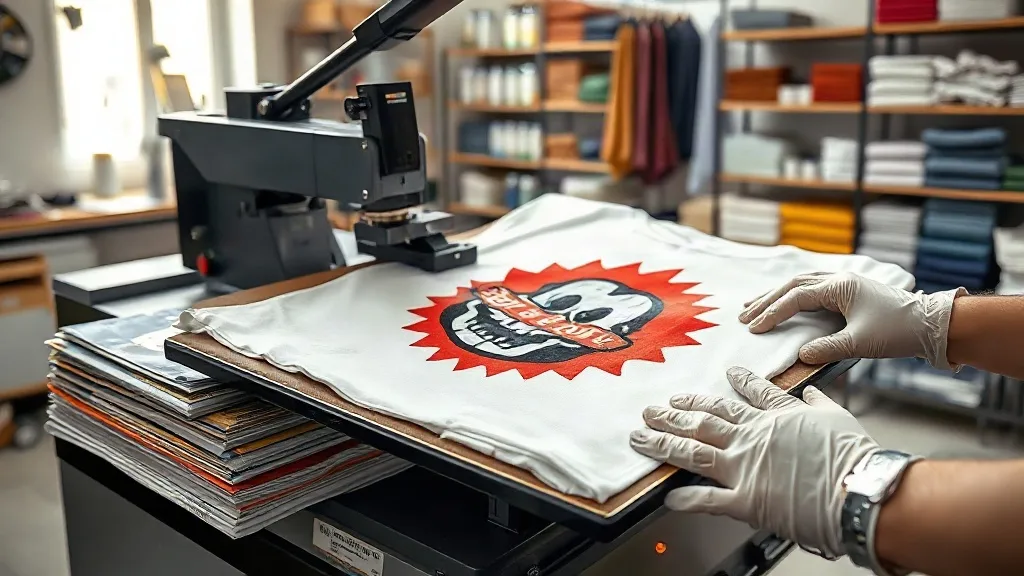
- Transfer: The cured film is placed on the fabric and pressed with a heat press at a specific temperature and pressure for a set time.
- Peeling: After pressing, the film is peeled away (hot or cold peel, depending on the film type), leaving the design bonded to the fabric.
Each step is crucial for achieving a durable, high-quality print. Skipping or rushing any stage can lead to poor adhesion or washed-out colors.
Why Choose DTF Transfers?
DTF transfers have gained immense popularity for several compelling reasons:
- Fabric Versatility: Unlike sublimation, which requires high polyester content, or vinyl, which works best on cotton, DTF transfers adhere to almost any fabric, including blends and synthetics. This makes them ideal for printing on diverse garments, from 100% cotton tees to polyester performance wear.
- No Pre-Treatment Required: Except for certain fabrics like nylon, DTF transfers generally don't require pre-treating the garment, saving time and reducing chemical use.
- Vibrant Colors and Fine Details: DTF printers can reproduce intricate designs with gradients and fine lines, making them perfect for photo-realistic images and complex artwork.
- Durability: When applied correctly, DTF prints are highly durable, resisting cracking, fading, and peeling even after multiple washes.
- Cost-Effective for Short Runs: DTF transfers eliminate the need for screens or plates, making short runs and one-off designs economically viable.
Applications of DTF Transfers
The versatility of DTF transfers means they can be used for a wide array of projects:
- Custom T-Shirts: Create personalized tees for events, teams, or businesses with vibrant, full-color designs.
- Sportswear and Activewear: DTF prints stretch with the fabric, making them suitable for performance apparel.
- Canvas Bags and Accessories: Add logos or artwork to tote bags, backpacks, and more.
- Home Decor: Personalize pillowcases, aprons, and other fabric items.
- Promotional Items: Quickly produce branded merchandise for marketing campaigns.
Tips for Successful DTF Transfers
To ensure your DTF transfers turn out perfectly, keep these practical tips in mind:
1. Choose the Right Film and Powder
Not all DTF films are created equal. Select a film compatible with your printer and ink type. The adhesive powder should match the film and your fabric; fine powder works well for detailed designs, while coarser powder is better for bold graphics.
2. Master the Heat Press Settings
Temperature, pressure, and time are critical. Typically, DTF transfers are pressed at 150-160°C (300-320°F) for 10-15 seconds with medium pressure. However, always follow the recommendations of your film and powder manufacturer, as variations exist. Use a heat press with consistent pressure and consider a teflon sheet or parchment paper to protect the design.
3. Pre-Press the Fabric
Before transferring, pre-press the garment for a few seconds to remove moisture and wrinkles. This ensures a smooth surface for the transfer to adhere to.
4. Peel at the Right Temperature
Some films require hot peel, others cold peel. Peeling at the wrong temperature can ruin the transfer. Check your film's instructions and practice on a scrap piece first.
5. Store Transfers Properly
Unused transfers should be stored in a cool, dry place away from direct sunlight. Proper storage prevents the adhesive from losing its tackiness.
Finding DTF Transfers Near You
If you're not ready to invest in a DTF printer, you can still enjoy the benefits of DTF by ordering pre-printed transfers. Many companies offer custom DTF transfer services where you upload your design and receive ready-to-press transfers. When searching for dtf transfers near me, consider factors like turnaround time, minimum order quantity, and shipping costs. Local suppliers can be found through online directories or by asking in printing communities. For those in the US, dtfstudiopro.com provides high-quality DTF transfers with fast shipping, catering to both small and large orders.
Common Mistakes to Avoid
Even experienced users can make mistakes. Here are some pitfalls to watch out for:
- Insufficient Pressure: Too little pressure prevents proper adhesion, leading to peeling. Ensure your heat press is calibrated.
- Overcooking the Transfer: Excessive heat or time can cause the adhesive to burn or the film to warp, resulting in a stiff or discolored print.
- Ignoring Fabric Type: While DTF works on many fabrics, some (like nylon) may require lower temperatures or pre-treatment. Always test on a swatch.
- Using Expired Powder: Adhesive powder has a shelf life; using old powder can reduce adhesion.
Frequently Asked Questions
Can DTF transfers be applied to dark-colored fabrics?
Yes, DTF transfers are excellent for dark fabrics because they include a white ink layer that provides a bright, opaque base, ensuring your design stands out vividly.
How long do DTF transfers last?
With proper application and care, DTF transfers can last as long as the garment itself. They resist cracking and fading, and typically survive 50+ washes when laundered inside out in cold water.
Do I need a special printer for DTF transfers?
Yes, DTF printing requires a DTF printer that uses pigment inks and a film feeding system. However, if you don't have one, you can order pre-printed transfers from services like dtfstudiopro.com.
What is the difference between DTF and DTG printing?
DTG (Direct-to-Garment) printing directly applies ink to the fabric, while DTF prints onto a film that is then transferred. DTF works on more fabric types and doesn't require pre-treatment for most materials.
Can I use DTF transfers on 100% polyester?
Absolutely. DTF transfers adhere well to polyester and polyester blends, making them a great choice for sportswear and activewear.
DTF transfers have revolutionized the custom apparel industry by making high-quality, full-color printing accessible to everyone. With a bit of practice and attention to detail, you can achieve professional results that impress. Whether you're creating merchandise for your brand or personalizing gifts, DTF transfers offer a reliable and versatile solution.